The Power of Digital Marketing for Small Businesses
In today’s digital age, having a strong online presence is crucial for the success of small businesses. Digital marketing offers a cost-effective and efficient way for small businesses to reach their target audience, build brand awareness, and drive sales. Here are some key benefits of digital marketing for small businesses:
Increased Visibility
With digital marketing strategies such as search engine optimisation (SEO) and social media marketing, small businesses can increase their online visibility and reach a wider audience. By appearing in search engine results and engaging with customers on social media platforms, small businesses can attract new customers and build brand recognition.
Targeted Advertising
Digital marketing allows small businesses to target their advertising efforts towards specific demographics, interests, and behaviours. This targeted approach ensures that marketing messages are reaching the right audience, increasing the likelihood of converting leads into customers.
Cost-Effective Marketing
Compared to traditional forms of advertising such as print or TV ads, digital marketing is often more cost-effective for small businesses. With tools like pay-per-click (PPC) advertising and email marketing, small businesses can reach a large audience without breaking the bank.
Data-Driven Insights
Digital marketing provides small businesses with valuable data and insights into consumer behaviour, preferences, and trends. By analysing this data, small businesses can make informed decisions about their marketing strategies and tailor their campaigns to better meet the needs of their target audience.
Building Customer Relationships
Through channels like social media and email marketing, small businesses can engage with customers on a personal level, building trust and loyalty over time. By providing valuable content, responding to customer inquiries promptly, and offering personalised promotions, small businesses can nurture long-lasting relationships with their customers.
In conclusion, digital marketing offers numerous benefits for small businesses looking to grow their online presence and reach new customers. By leveraging the power of digital channels effectively, small businesses can compete with larger competitors on a level playing field while maximising their ROI.
Essential FAQs on Digital Marketing for Small Businesses: A Comprehensive Guide
- Is digital marketing effective for small business?
- What are the 3 C’s of digital marketing?
- How to do digital marketing for a small business?
- How do beginners start digital marketing?
- Do small local businesses need digital marketing?
- Which marketing is best for small business?
- How do I create a digital marketing plan for my small business?
- How much does digital marketing cost for small business?
- Can I do digital marketing for my own business?
Is digital marketing effective for small business?
When considering the effectiveness of digital marketing for small businesses, it is essential to recognise its significant impact in today’s competitive marketplace. Digital marketing offers small businesses a cost-effective and targeted approach to reaching their audience, increasing brand visibility, and driving sales. By leveraging strategies such as SEO, social media marketing, and email campaigns, small businesses can effectively compete with larger competitors and connect with their target customers on various online platforms. The data-driven insights provided by digital marketing also enable small businesses to make informed decisions and optimise their marketing efforts for better results. Overall, digital marketing has proven to be a powerful tool for small businesses seeking growth and success in the digital landscape.
What are the 3 C’s of digital marketing?
When it comes to digital marketing for small businesses, understanding the concept of the 3 C’s is essential. The 3 C’s of digital marketing refer to Content, Context, and Connectivity. Content involves creating engaging and relevant material that resonates with the target audience. Context focuses on delivering this content at the right time and in the right place to maximise its impact. Connectivity emphasises building strong relationships with customers through interactive and personalised experiences, ultimately driving engagement and loyalty. By incorporating these 3 C’s into their digital marketing strategies, small businesses can effectively connect with their audience and achieve their marketing goals.
How to do digital marketing for a small business?
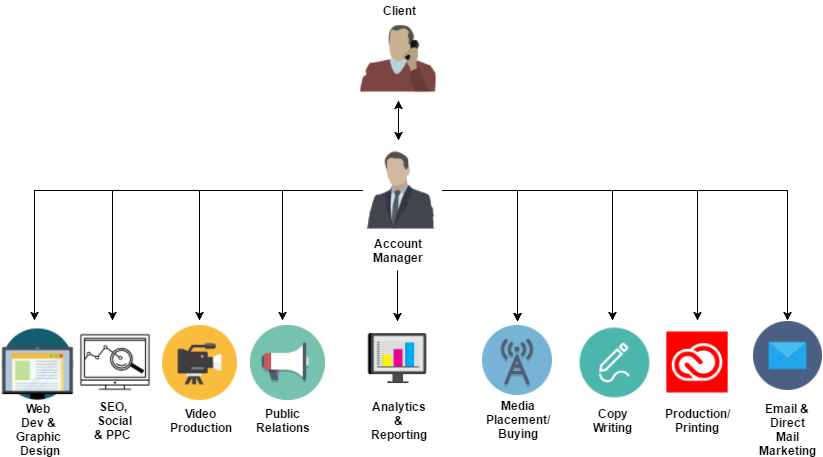
When it comes to digital marketing for a small business, the key is to develop a strategic and targeted approach that aligns with your business goals. Start by identifying your target audience and understanding their preferences and behaviours. Utilise a mix of digital marketing channels such as social media, email marketing, search engine optimisation (SEO), and pay-per-click (PPC) advertising to reach and engage with your target audience effectively. Consistent branding, compelling content, and data-driven insights are essential elements in creating successful digital marketing campaigns for small businesses. Regularly monitor and analyse the performance of your campaigns to make data-driven adjustments that maximise your ROI and drive business growth.
How do beginners start digital marketing?
For beginners looking to start digital marketing for their small business, it’s essential to begin by understanding the basics of digital marketing strategies and tools. Researching and familiarising oneself with concepts such as search engine optimisation (SEO), social media marketing, email marketing, and pay-per-click (PPC) advertising is crucial. Setting clear goals and objectives, defining a target audience, and creating a budget are important initial steps. Beginners can also benefit from online resources, courses, and tutorials to gain practical knowledge and skills in implementing effective digital marketing campaigns tailored to their small business needs. Experimenting, analysing results, and continuously learning and adapting strategies based on performance are key to success in the dynamic world of digital marketing for small businesses.
Do small local businesses need digital marketing?
In today’s highly competitive digital landscape, digital marketing is essential for small local businesses to thrive and stay relevant in the market. With the majority of consumers turning to online channels to discover and engage with businesses, having a strong digital presence is crucial for small local businesses to reach their target audience, increase visibility, and drive sales. Digital marketing offers cost-effective strategies such as local SEO, social media marketing, and targeted advertising that can help small local businesses connect with potential customers in their area and stand out from competitors. Embracing digital marketing not only enhances brand awareness but also builds credibility and trust among consumers, ultimately leading to business growth and success for small local enterprises.
Which marketing is best for small business?
When considering the best marketing strategy for a small business, digital marketing often emerges as the top choice. Digital marketing offers small businesses a cost-effective way to reach their target audience, increase brand visibility, and drive conversions. With tools such as social media marketing, search engine optimisation (SEO), email campaigns, and pay-per-click (PPC) advertising, small businesses can precisely target their audience, track performance metrics, and adjust strategies in real-time to maximise results. The flexibility, affordability, and measurable outcomes of digital marketing make it an ideal choice for small businesses looking to compete effectively in today’s digital landscape.
How do I create a digital marketing plan for my small business?
Creating a digital marketing plan for your small business involves several key steps. Firstly, define your goals and objectives, whether it’s increasing brand awareness, driving website traffic, or boosting sales. Next, identify your target audience and conduct market research to understand their needs and preferences. Then, choose the most appropriate digital marketing channels such as social media, email marketing, SEO, or PPC based on your audience and goals. Develop a content strategy that resonates with your target audience and aligns with your brand voice. Set measurable KPIs to track the performance of your campaigns and make adjustments as needed to optimise results. Regularly monitor and analyse data to refine your strategies for continuous improvement. By following these steps, you can create a tailored digital marketing plan that effectively promotes your small business online.
How much does digital marketing cost for small business?
When considering the cost of digital marketing for small businesses, it’s important to understand that expenses can vary depending on factors such as the specific goals of the business, the chosen digital marketing strategies, and the scale of the campaign. Small businesses have a range of options available to them, from budget-friendly tactics like social media marketing and email campaigns to more investment-heavy strategies like search engine advertising and content creation. It’s advisable for small business owners to work with digital marketing professionals to develop a tailored strategy that aligns with their budget while maximising their return on investment in reaching their target audience effectively.
Can I do digital marketing for my own business?
Many small business owners often wonder, “Can I do digital marketing for my own business?” The answer is yes, small business owners can certainly do their own digital marketing with the right knowledge and tools. By learning about digital marketing strategies, such as social media marketing, email campaigns, and search engine optimisation (SEO), small business owners can effectively promote their products or services online. However, it is important to stay updated on the latest trends and best practices in digital marketing to ensure a successful and impactful online presence for their business.