Digital Marketing Techniques: A Practical Guide
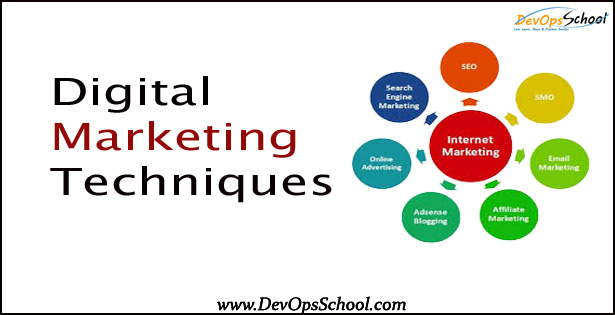
Digital marketing helps businesses reach potential customers through online channels. From search engines and social media to email and paid advertising, each channel offers different ways to build awareness, attract visitors and encourage action. The most effective approach is rarely a single tactic: it is a considered mix shaped by your audience, goals and budget.
Search engine optimisation
Search engine optimisation (SEO) improves a website’s visibility in unpaid search results. It involves creating useful, relevant content and making sure a site is easy for both visitors and search engines to navigate.
- Research search terms: Find out what your audience is searching for and use that insight to plan content.
- Improve on-page content: Write clear page titles, headings and descriptions, and answer readers’ questions thoroughly.
- Strengthen the technical foundations: Make pages mobile-friendly, quick to load and easy to crawl.
- Earn credible links: Useful resources and strong industry relationships can encourage other reputable websites to link to your content.
SEO is a long-term activity. Results can take time, so measure progress through relevant indicators such as organic visits, search visibility and enquiries.
Content marketing
Content marketing attracts and supports an audience by providing useful information rather than relying solely on promotional messages. Content might include articles, guides, videos, case studies, podcasts or downloadable resources.
Start with the questions and challenges your customers actually have. Then choose a format that suits both the topic and the audience. A detailed guide may work well for a complex subject, while a short video could be better for demonstrating a product. A regular publishing plan helps keep content consistent, but quality and relevance matter more than posting for the sake of it.
Social media marketing
Social media can help businesses share content, build recognition and engage directly with customers. Rather than trying to maintain a presence on every platform, focus on the channels your audience uses and where your content is a good fit.
Use a mix of posts: practical advice, behind-the-scenes updates, customer stories and occasional promotional messages. Respond to comments and messages in a timely, thoughtful way. Social media works best as a conversation, not simply a broadcast channel.
Email marketing
Email remains a useful way to communicate with people who have chosen to hear from your business. Newsletters, product updates and helpful follow-up messages can keep your brand in mind and guide subscribers towards relevant information or offers.
Build your list through clear, voluntary sign-up forms and explain what subscribers can expect. Segmenting the list by interests or previous interactions can make messages more relevant. Keep subject lines accurate, include a clear call to action and make it easy for recipients to unsubscribe. Follow applicable data protection and electronic marketing rules.
Paid digital advertising
Paid advertising can put a message in front of a defined audience more quickly than organic methods. Options include search adverts, social media campaigns, display advertising and sponsored content.
Before spending, decide what the campaign should achieve: for example, visits to a product page, event registrations or sales. Use focused audience targeting, write clear advert copy and direct people to a relevant landing page. Set a budget and review performance regularly so that underperforming campaigns can be adjusted.
Influencer and partnership marketing
Working with creators, publishers or complementary businesses can introduce a brand to new audiences. Choose partners whose audience and values fit your offer, rather than basing a decision only on follower numbers. Agree on deliverables, deadlines and how results will be assessed. Any paid or gifted endorsement should be clearly disclosed in line with relevant advertising rules.
Measure, learn and improve
Good digital marketing is guided by evidence. Set a clear objective for each activity and choose a small number of meaningful measures. These might include qualified leads, completed purchases, email sign-ups or the cost of acquiring a customer. Website analytics and campaign reports can show what is working, but figures should be interpreted in context.
Test one change at a time where possible, such as a different headline or landing-page layout. Use the results to improve future campaigns. Avoid focusing on “vanity metrics” such as impressions alone if they do not connect to a business goal.
Conclusion
Effective digital marketing combines useful content, thoughtful targeting and consistent measurement. Begin with a clear understanding of your audience, choose the techniques that suit your objectives and keep refining your approach. By building trust and making each online interaction relevant, businesses can create stronger relationships and more sustainable results.
Top 5 Digital Marketing Techniques to Boost Your Online Presence
- Optimise your website for mobile users.
- Use SEO keywords that match customer searches.
- Post regularly on social media.
- Personalise emails for different audiences.
- Track campaign results and adjust your strategy.
Optimise your website for mobile users.
Optimising your website for mobile users is essential, as many people browse, research and shop on their phones. Use a responsive design that adapts to different screen sizes, make pages load quickly and ensure text is easy to read without zooming. Buttons and links should be simple to tap, while forms should be short and straightforward to complete. A smooth mobile experience helps visitors find what they need and can encourage them to stay, get in touch or make a purchase.
Use SEO keywords that match customer searches.
Use SEO keywords that reflect the words and phrases your customers actually search for. Research their questions, needs and search habits, then include relevant terms naturally in page titles, headings and useful content. Avoid cramming in keywords: clear, helpful writing that genuinely answers the search is more valuable to readers and search engines alike.
Post regularly on social media.
Posting regularly on social media helps keep your business visible and gives your audience a reason to stay connected. Create a realistic schedule and share a mix of useful, engaging and promotional content that suits each platform. Consistency matters more than posting every day, so focus on maintaining a steady rhythm you can sustain. Monitor engagement and adjust your approach to learn what resonates with your audience.
Personalise emails for different audiences.
Personalising emails for different audiences makes your messages more relevant and engaging. Group subscribers by factors such as their interests, location, previous purchases or where they are in the customer journey, then tailor the content, offers and subject lines to suit each group. Even small touches, such as using a recipient’s name or recommending products based on past activity, can help—provided the information is used responsibly and in line with data protection rules.
Track campaign results and adjust your strategy.
Track the results of every digital marketing campaign to understand what is working and where there is room to improve. Monitor relevant measures, such as website visits, engagement, enquiries or sales, and compare them with the campaign’s original goals. Use these insights to refine your approach—for example, by adjusting your audience, message, budget or choice of channel. Regular review helps you make better use of your resources and improve future campaigns.