Digital Marketing Courses: How to Choose the Right One
Digital marketing skills are valuable to businesses of all sizes. From attracting customers through search engines to building a loyal audience on social media, digital channels play an important part in how organisations promote their products and services. A digital marketing course can help you understand these channels, develop practical skills and plan campaigns with greater confidence.
What is a digital marketing course?
A digital marketing course teaches the principles and techniques used to reach audiences online. Courses range from short introductions to comprehensive programmes, and may be delivered in person, online or in a blended format. Some focus on a particular specialism, while others cover a broad range of marketing activities.
What might you learn?
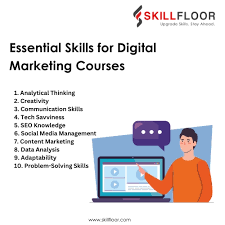
Course content varies, but common topics include:
- Search engine optimisation (SEO): improving website content and structure so that it can be found more easily through organic search.
- Paid search and online advertising: planning and assessing adverts across search engines and other digital platforms.
- Content marketing: creating useful articles, videos and other content that inform or engage an audience.
- Social media marketing: choosing suitable platforms, developing content and managing conversations with customers.
- Email marketing: building subscriber lists and sending relevant, well-timed communications.
- Analytics and measurement: using data to understand campaign performance and identify opportunities to improve.
- Strategy and planning: setting objectives, defining audiences and choosing the right channels for a campaign.
Who can benefit from studying digital marketing?
Digital marketing courses can suit people at different stages of their careers. Beginners may use a course to explore the field or build a foundation for an entry-level role. Business owners and freelancers may want to promote their services more effectively, while experienced marketers might study a specialist subject or update their knowledge as platforms and practices change.
It is also a useful area for people in related roles, such as communications, sales, design or public relations. Understanding how online campaigns work can help teams collaborate and make better-informed decisions.
How to choose a course
Before enrolling, consider what you want to achieve. If you are new to the subject, look for a course that explains core concepts clearly and includes practical exercises. If you already have experience, a focused course in areas such as SEO, analytics or paid media may be more useful.
It is worth checking:
- The syllabus: Does it cover the subjects you need, and is the content kept up to date?
- The learning format: Will the schedule and delivery style fit around your work and other commitments?
- Practical experience: Are there projects, case studies or exercises that let you apply what you learn?
- Instructor and provider details: What relevant experience do they have, and what support is available?
- Assessment and recognition: Is there an assessment or certificate, and will it be useful for your goals?
- Cost and time commitment: Are the fees, course length and any additional costs clearly explained?
Getting the most from your studies
Learning is most effective when you put ideas into practice. Try applying course concepts to a small project, such as improving a website page, creating a content plan or reviewing the performance of a campaign. Keep a record of your work and the results, while taking care to use data responsibly and respect privacy requirements.
Digital marketing changes continually, so a course is best seen as a starting point rather than a final destination. Reading industry updates, experimenting thoughtfully and reviewing campaign results can help you keep your skills relevant.
Building skills for the digital world
The right digital marketing course can provide structure, practical knowledge and a clearer sense of direction. By matching the course to your experience and goals, you can build skills that support your career, your business or your next professional step.
8 Essential Tips for Choosing the Right Digital Marketing Course
- Check the syllabus covers current tools and trends.
- Choose a course that matches your experience level.
- Look for practical projects and real-world examples.
- Check the tutors’ industry experience.
- Compare course length, format and cost.
- Read recent reviews from past learners.
- Check whether you’ll receive a recognised certificate.
- Make sure the course fits your career goals.
Check the syllabus covers current tools and trends.
Before enrolling on a digital marketing course, check that its syllabus reflects current tools and trends. Platforms, algorithms and best practices change quickly, so look for up-to-date coverage of areas such as AI, analytics, social media and search marketing. A relevant syllabus will help you build skills you can apply in today’s digital landscape.
Choose a course that matches your experience level.
Choose a digital marketing course that matches your current experience level and learning goals. If you are new to the subject, look for a course that explains the fundamentals clearly and builds skills step by step. If you already have experience, a specialist or advanced course can help you deepen your knowledge in areas such as SEO, analytics or paid advertising. The right level will keep the material engaging, make it easier to apply what you learn and help you get better value from your time and money.
Look for practical projects and real-world examples.
When choosing a digital marketing course, look for practical projects and real-world examples that help you apply what you learn. Activities such as planning a campaign, analysing website data or creating social media content can build useful, hands-on skills and give you work to showcase to potential employers or clients. Real-world case studies also show how marketing strategies are used in practice, helping you connect course concepts with everyday challenges.
Check the tutors’ industry experience.
Before enrolling on a digital marketing course, check the tutors’ industry experience as well as their academic or teaching credentials. Tutors who have worked on real campaigns can bring practical insights, current examples and lessons from challenges that textbooks may not cover. Look for relevant experience in the areas you want to study, and check whether they have kept up with changes in platforms, tools and best practice.
Compare course length, format and cost.
Before enrolling on a digital marketing course, compare its length, format and cost to find an option that suits your needs and circumstances. A short course may be ideal for learning a specific skill, while a longer programme could offer broader coverage and more time for practice. Check whether teaching is online, in person or self-paced, and consider how easily it fits around your other commitments. Look beyond the headline fee, too: find out whether course materials, assessments or certificates cost extra, and weigh the overall price against the support and practical experience included.
Read recent reviews from past learners.
Before enrolling on a digital marketing course, read recent reviews from past learners to get a clearer picture of the teaching, course materials and support on offer. Look for detailed feedback that mentions practical projects, how up to date the content is and whether the course matched its description. Recent reviews are particularly useful in digital marketing, where platforms and best practices can change quickly. Consider several opinions rather than relying on one, and check whether the reviews come from sources you trust.
Check whether you’ll receive a recognised certificate.
Before enrolling, check whether the course provides a recognised certificate and find out who awards it. A certificate from a reputable university, professional body or established industry provider may help demonstrate your skills to employers or clients. Check what the assessment involves, whether you need to meet particular requirements to earn the certificate, and whether it is valued in your chosen field.
Make sure the course fits your career goals.
Choose a digital marketing course that supports your career goals, rather than simply opting for the broadest or most popular option. If you’re aiming for a role in SEO, social media, content marketing or analytics, look for a course with relevant modules and practical work in that area. If you’re exploring the field or want to manage marketing for your own business, a broader introduction may be more suitable. Checking the syllabus, level and outcomes before enrolling can help ensure the course is a worthwhile step towards what you want to achieve.