
Digital Marketing Specialists: What They Do and Why They Matter
As more customers discover, compare and buy products and services online, digital marketing has become an essential part of business growth. Digital marketing specialists help organisations reach the right people through online channels, build lasting relationships with customers and measure the results of their campaigns.
What is a digital marketing specialist?
A digital marketing specialist plans, delivers and evaluates marketing activity across digital channels. Depending on their role and experience, they may focus on one area—such as search engine optimisation—or work across several disciplines, including content, social media, email and paid advertising.
The role combines creativity with analysis. Specialists develop clear messages and engaging content, while using data to understand what is working and where improvements can be made.
Key areas of digital marketing
Search engine optimisation
Search engine optimisation (SEO) helps a website appear more prominently in relevant search results. Specialists may research search terms, improve website content, review technical performance and earn links from reputable sites. SEO is a long-term activity: results often take time and depend on consistent, useful work.
Paid advertising
Paid campaigns can place a business in front of potential customers through search engines, social networks and other online platforms. A specialist helps set objectives, choose audiences, manage budgets, create adverts and assess performance. Careful monitoring helps ensure that spending is supporting meaningful business goals.
Content marketing
Content marketing involves creating and sharing useful material, such as articles, guides, videos and case studies. Rather than relying solely on direct sales messages, it aims to answer questions, demonstrate expertise and help people make informed decisions.
Social media
Social media specialists help brands choose suitable platforms, plan content and engage with their communities. They may also manage paid social campaigns and respond to comments or enquiries. The best approach depends on a business’s audience and objectives, rather than on being present everywhere.
Email marketing
Email remains a valuable way to communicate with people who have chosen to hear from a business. Specialists may plan newsletters and automated messages, organise subscriber lists and test different subject lines or content. Responsible email marketing respects consent and gives recipients a clear way to unsubscribe.
Skills that make a difference
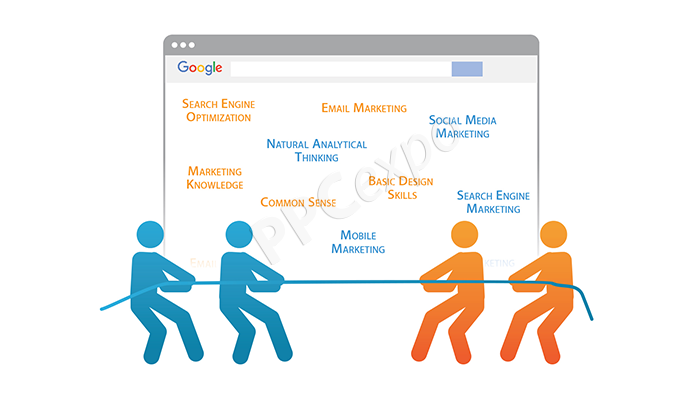
Successful digital marketing specialists bring together a range of skills. These commonly include:
- Clear writing and communication
- Understanding of customer needs and buying journeys
- Knowledge of digital channels and marketing tools
- Confidence working with data and performance measures
- Planning, organisation and project management
- Adaptability as platforms and customer expectations change
Technical knowledge matters, but so does judgement. A specialist needs to understand the purpose behind an activity, select suitable measures and explain the results in a way that supports good decisions.
How specialists measure success
Digital marketing performance should be assessed against clear objectives. Depending on the campaign, useful measures might include website visits, qualified enquiries, sales, engagement, email sign-ups or the cost of acquiring a customer.
Numbers need context. A rise in website traffic, for example, is not necessarily valuable if visitors are not part of the intended audience. Specialists interpret results, identify patterns and use what they learn to refine future activity.
Choosing the right support
Businesses can employ an in-house specialist, work with an agency or engage a freelancer. The right option depends on the organisation’s needs, budget and available expertise. Before choosing, it helps to agree on priorities, responsibilities, reporting arrangements and how success will be measured.
Look for someone who asks thoughtful questions about the business and its customers, explains their recommendations clearly and sets realistic expectations. Digital marketing is rarely an instant fix; it works best when it is aligned with broader business goals and reviewed regularly.
A practical partner for sustainable growth
Digital marketing specialists help businesses make better use of online channels. By combining strategy, creative work and measurement, they can improve how an organisation reaches and serves its audience. The strongest results come from a considered approach: understand the customer, choose the right channels, provide genuine value and keep learning from the evidence.
Top 5 Essential Tips for Digital Marketing Specialists: From Goal Setting to Continuous Improvement
- Set clear goals before launching campaigns.
- Use analytics to guide decisions.
- Keep up with platform changes.
- Tailor content to each audience.
- Test, learn and refine regularly.
Set clear goals before launching campaigns.
Before launching a digital marketing campaign, set clear goals so everyone knows what success looks like. Decide what you want to achieve—such as increasing qualified enquiries, growing online sales or building brand awareness—and choose relevant measures to track progress. Specific, realistic goals help digital marketing specialists select the right channels, allocate budgets effectively and refine the campaign based on meaningful results.
Use analytics to guide decisions.
Digital marketing specialists should use analytics to guide decisions, rather than relying on guesswork. By regularly reviewing measures such as website visits, engagement, enquiries and sales, they can see which campaigns are reaching the right audience and delivering useful results. These insights help specialists refine their content, channels and budgets, while keeping activity focused on clear business goals.
Keep up with platform changes.
Digital marketing platforms regularly update their features, algorithms, advertising rules and reporting tools, so specialists need to keep learning. Following official platform updates, industry news and trusted professional communities can help them spot changes early and adjust campaigns before performance is affected. Staying informed also makes it easier to identify new opportunities, while ensuring that strategies remain relevant, effective and compliant.
Tailor content to each audience.
Tailor content to each audience by considering who they are, what they need and how they prefer to receive information. Digital marketing specialists can use customer research and performance data to shape relevant messages for different groups, adapting the tone, format and channel without losing the brand’s identity. More useful, targeted content is more likely to capture attention, build trust and encourage people to take the next step.
Test, learn and refine regularly.
Digital marketing specialists know that effective campaigns are rarely perfect from the outset. Test different messages, formats, audiences and channels, then review the results against clear goals. Use what the data reveals to keep what works, improve what doesn’t and guide the next round of activity. Regular testing and refinement help businesses adapt to changing customer needs and make better use of their marketing budget.

