Full-Service Digital Marketing Agencies: What They Do and How to Choose One
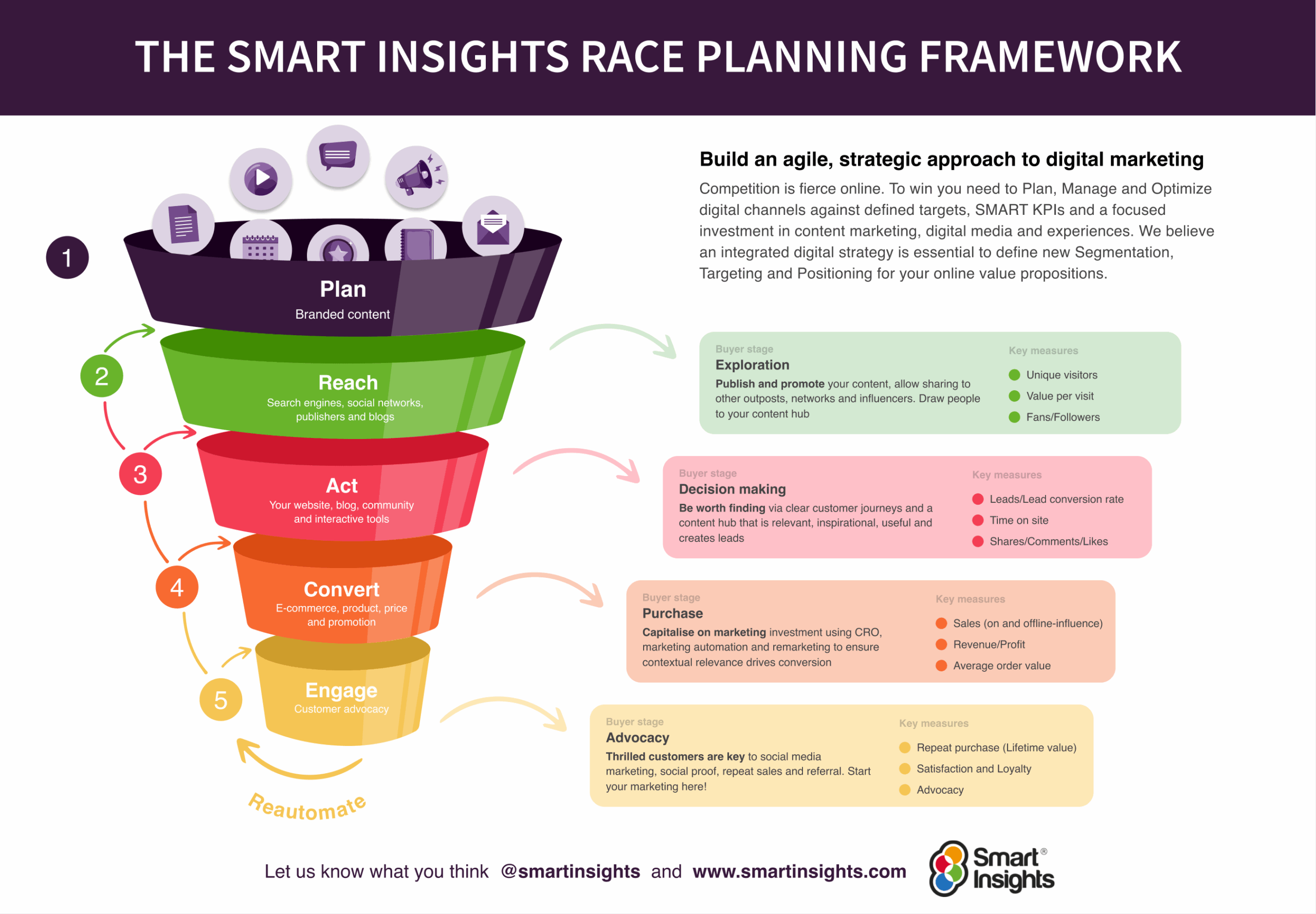
Digital marketing can involve a wide range of activities, from building brand awareness and improving search visibility to generating leads and retaining customers. A full-service digital marketing agency brings several of these capabilities together, helping businesses plan and manage their online marketing through one team.
What is a full-service digital marketing agency?
A full-service digital marketing agency offers a broad range of services across digital strategy, creative work, technology and campaign management. Rather than focusing on just one channel, such as paid search or social media, it can coordinate multiple channels around a business’s goals.
The exact services vary between agencies, but may include:
- Digital strategy: Researching audiences, competitors and market opportunities, then setting objectives and priorities.
- Search engine optimisation (SEO): Improving a website’s visibility in organic search results through technical, content and off-page work.
- Paid media: Planning and managing advertising across search engines, social platforms and other digital channels.
- Content marketing: Creating articles, guides, videos and other useful content to attract and engage audiences.
- Social media: Developing channel strategies, producing content, managing communities and reporting on performance.
- Web design and development: Building or improving websites, landing pages and online shops.
- Email marketing and automation: Creating campaigns and automated journeys to nurture prospects and support customer retention.
- Analytics and reporting: Measuring results and using data to identify what is working and where to improve.
Why businesses work with full-service agencies
One potential advantage is coordination. When several channels are managed by a connected team, campaigns can share consistent messaging, creative assets and audience insights. This can make it easier to provide a coherent experience, whether someone discovers a brand through search, sees an advert or visits its website.
A full-service agency may also reduce the time a business spends coordinating multiple suppliers. Instead of managing separate relationships for design, advertising, SEO and web development, a business can work with one lead team. This can be particularly useful for organisations without a large in-house marketing department.
Another benefit is access to a wider range of expertise. A campaign may require strategic planning, copywriting, technical development and performance analysis. An agency with specialists across these areas can bring the relevant skills together, while helping the business decide which work should take priority.
Full-service does not mean one-size-fits-all
The phrase “full-service” describes the breadth of an agency’s offering, not a guarantee that every service will suit every business. A company with a strong in-house team may need support only with paid media or technical SEO. A smaller business might need help establishing its website, brand and marketing foundations before investing in larger campaigns.
Good agency work starts with business objectives. These might include increasing qualified enquiries, growing online sales, improving customer retention or entering a new market. The channels and services should follow from those objectives, rather than being included simply because they are available.
How to choose the right agency
Before making a decision, consider the agency’s experience with businesses of a similar size, in comparable sectors or with similar challenges. Case studies can be useful, but look for clear explanations of the work completed and the results achieved. Ask how those results were measured and whether other factors contributed.
It is also worth understanding how the agency works day to day. Find out who will manage the account, which specialists will be involved, how often progress will be reviewed and what information the agency needs from your team. Clear communication and realistic expectations matter as much as a polished pitch.
Discuss budgets and reporting openly. A useful proposal should explain what is included, what is not, how fees are structured and how success will be assessed. Be cautious of promises of guaranteed rankings or sales: marketing outcomes depend on many factors, including competition, budgets, the offer itself and the quality of the customer experience.
Making the partnership work
An agency can bring expertise and delivery capacity, but it cannot replace a business’s knowledge of its customers, products and operations. The strongest partnerships are collaborative. Share relevant data, provide timely feedback and agree on a small number of meaningful measures of success.
Digital marketing also requires ongoing learning. Customer behaviour, platforms and search technologies change, so campaigns should be reviewed and refined over time. A full-service agency can help connect those activities into a practical plan, but the most important question remains whether its work supports the business’s goals.
For businesses seeking joined-up support across several digital channels, a full-service agency can be a valuable partner. The right choice is not necessarily the agency offering the most services; it is the one that understands the challenge, explains its approach clearly and can show how its work will contribute to lasting results.
Essential Tips for Choosing a Full-Service Digital Marketing Agency
- Check the agency’s expertise across all relevant channels.
- Ask for clear goals, timelines and success measures.
- Review case studies from similar businesses.
- Confirm who will manage your account day to day.
- Make sure reporting is regular and easy to understand.
- Agree budgets, fees and any extra costs upfront.
- Choose an agency that adapts to your audience.
- Check that you retain access to your accounts and data.
Check the agency’s expertise across all relevant channels.
Check that the agency has genuine expertise in every channel relevant to your goals, rather than simply offering a long list of services. Ask who will work on each area, how the team keeps its knowledge up to date, and for examples of results from similar projects. The right mix might include SEO, paid advertising, social media, content, email or web development, depending on your needs. Strong, well-coordinated specialists across the channels that matter are more valuable than a broad offering without proven experience.
Ask for clear goals, timelines and success measures.
When choosing a full-service digital marketing agency, ask for clear goals, timelines and success measures before work begins. Agree what the campaign is intended to achieve, when key activities and reviews will take place, and which metrics will be used to assess progress. These might include qualified leads, online sales, website enquiries or customer retention, depending on your priorities. Clear expectations help both sides stay accountable, spot issues early and judge whether the work is delivering meaningful results.
Review case studies from similar businesses.
Review case studies from businesses similar to yours in size, sector or marketing goals. They can give you a clearer idea of how an agency approaches challenges like yours and the results it has achieved. Look beyond headline figures: ask how success was measured, what work the agency carried out and whether the results were influenced by factors such as budget, timing or market conditions.
Confirm who will manage your account day to day.
Before choosing a full-service digital marketing agency, confirm who will manage your account day to day. Ask who your main contact will be, which specialists will work on your campaigns and how often you can expect updates. Knowing who is responsible for communication, decisions and delivery helps set clear expectations and makes it easier to address questions or issues promptly.
Make sure reporting is regular and easy to understand.
Make sure your agency provides regular reports that are easy to understand and focused on the goals that matter to your business. Reports should explain what has been done, how campaigns are performing and what the results mean—not just present a list of figures. Agree in advance how often you’ll receive updates and which measures will be tracked, such as qualified enquiries, sales or return on advertising spend. Clear reporting helps you spot progress, raise questions early and make informed decisions about what to do next.
Agree budgets, fees and any extra costs upfront.
Agree budgets, fees and any additional costs before work begins. Ask the agency to set out exactly what its fees cover, including media spend, software, content production and any third-party services. Clarify how extra work will be approved and billed, and check whether fees are fixed, hourly or performance-based. A clear written agreement helps prevent unexpected charges, keeps spending aligned with your priorities and gives both sides a shared understanding of what will be delivered.
Choose an agency that adapts to your audience.
Choose an agency that takes the time to understand your audience and adapts its approach accordingly. Different groups respond to different messages, channels and formats, so effective marketing should reflect how your customers research, shop and communicate. Ask how the agency uses audience research and campaign data to shape its strategy, and how it will adjust activity as your customers’ needs and behaviours change.
Check that you retain access to your accounts and data.
Before appointing a full-service digital marketing agency, make sure your business retains ownership and administrator access to its key accounts and data. This includes advertising platforms, analytics, social media profiles, website hosting and customer databases. The agency may need access to manage campaigns, but the accounts should be registered to your business, with permissions granted to the people who need them. Agree how data, reports and account access will be handled if the partnership ends, so you can maintain continuity and avoid disruption.