The Power of Paid Online Advertising Strategy: Boosting Your Digital Presence
In today’s digital landscape, having a strong online presence is essential for businesses to reach their target audience and drive growth. One effective way to enhance your digital visibility is through a well-crafted paid online advertising strategy.
Understanding Paid Online Advertising
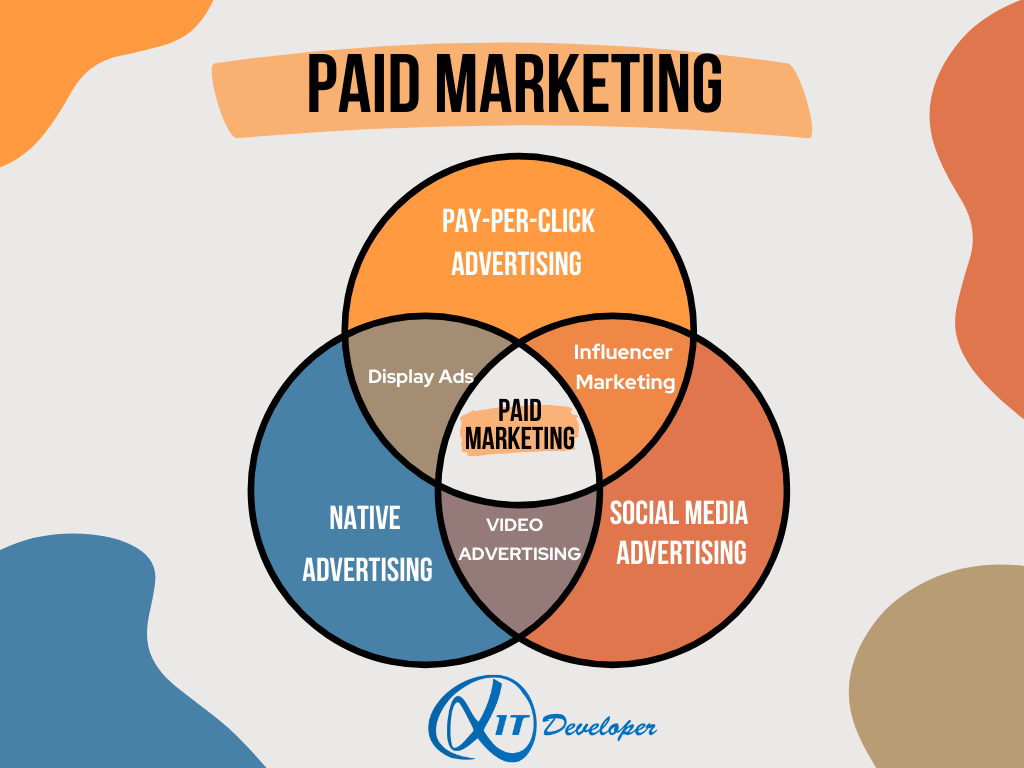
Paid online advertising involves paying for ad space on various digital platforms such as search engines, social media, and websites. This form of advertising allows businesses to target specific demographics, interests, and behaviours, ensuring that their ads are seen by the right audience.
The Benefits of Paid Online Advertising
Implementing a strategic paid online advertising campaign offers numerous benefits for businesses:
- Increased Visibility: By placing ads in prominent online locations, businesses can increase their visibility and reach a wider audience.
- Targeted Marketing: Paid advertising allows businesses to target specific demographics and interests, ensuring that their message resonates with the right audience.
- Measurable Results: With online advertising, businesses can track and measure the performance of their ads in real-time, allowing for adjustments to be made quickly for optimal results.
- Cost-Effective: Compared to traditional forms of advertising, paid online advertising can be more cost-effective as businesses have control over their budget and can adjust it based on performance.
Crafting an Effective Paid Online Advertising Strategy
To maximise the impact of your paid online advertising efforts, consider the following strategies:
- Set Clear Goals: Define your objectives for the campaign, whether it’s increasing website traffic, generating leads, or boosting sales.
- Know Your Audience: Conduct thorough research to understand your target audience’s preferences, behaviours, and demographics to tailor your ads effectively.
- Select the Right Platforms: Choose the digital platforms that align with your target audience’s online habits and preferences for maximum reach.
- Create Compelling Ad Content: Craft engaging ad copy and visuals that capture attention and drive action from viewers.
- Monitor and Optimise Performance: Continuously track the performance of your ads and make data-driven adjustments to improve results over time.
In conclusion, a well-planned paid online advertising strategy can significantly boost your digital presence and help you achieve your business goals. By leveraging the power of targeted marketing and measurable results offered by paid ads, businesses can stand out in a competitive online landscape and drive success.
Eight Key Advantages of a Paid Online Advertising Strategy
- Increases visibility to a wider audience
- Targets specific demographics and interests effectively
- Provides measurable results for tracking performance
- Cost-effective compared to traditional advertising methods
- Allows for real-time adjustments based on performance data
- Enhances brand awareness and recognition online
- Drives website traffic and boosts lead generation
- Helps businesses stay competitive in the digital marketplace
Seven Drawbacks of Paid Online Advertising: From Costs to Consumer Distrust
- 1. Costly
- 2. Ad Blindness
- 3. Click Fraud
- 4. Ad Blockers
- 5. Limited Long-Term Benefits
- 6. Ad Fatigue
- 7. Lack of Trust
Increases visibility to a wider audience
Paid online advertising strategy offers the significant advantage of increasing visibility to a wider audience. By strategically placing ads on various digital platforms, businesses can expand their reach and ensure that their message reaches a broader demographic. This increased visibility not only enhances brand awareness but also attracts potential customers who may not have been reached through traditional marketing methods. Ultimately, by reaching a wider audience through paid online advertising, businesses can boost their online presence and drive growth in a competitive digital landscape.
Targets specific demographics and interests effectively
One key advantage of implementing a paid online advertising strategy is its ability to target specific demographics and interests effectively. By utilising advanced targeting options available on digital platforms, businesses can tailor their ads to reach the right audience based on factors such as age, location, interests, and online behaviours. This targeted approach ensures that the advertising message resonates with the intended demographic, increasing the likelihood of engagement and conversion. Ultimately, by reaching the right audience with relevant content, businesses can maximise the impact of their online advertising efforts and achieve better results in terms of brand awareness and customer acquisition.
Provides measurable results for tracking performance
One significant advantage of implementing a paid online advertising strategy is its ability to provide measurable results for tracking performance. By utilising various analytics tools and metrics, businesses can accurately monitor the effectiveness of their ads in real-time. This data-driven approach allows for detailed insights into key performance indicators, such as click-through rates, conversions, and return on investment. With the ability to track and analyse these metrics, businesses can make informed decisions to optimise their campaigns for better results, ultimately maximising their advertising budget and achieving their marketing objectives efficiently.
Cost-effective compared to traditional advertising methods
One significant advantage of a paid online advertising strategy is its cost-effectiveness when compared to traditional advertising methods. With online advertising, businesses have greater control over their budget and can allocate resources more efficiently. Unlike traditional advertising, where costs can quickly escalate without clear insights into performance, paid online ads offer measurable results in real-time, allowing businesses to adjust their spending based on the effectiveness of their campaigns. This cost-effective approach enables businesses to reach a wider audience and achieve their marketing goals without breaking the bank.
Allows for real-time adjustments based on performance data
One key advantage of a paid online advertising strategy is the ability to make real-time adjustments based on performance data. By monitoring the effectiveness of ads in real-time, businesses can quickly identify what is working and what isn’t, allowing them to tweak their campaigns for optimal results. This data-driven approach enables businesses to adapt their strategies on the fly, ensuring that their advertising efforts are continuously refined to reach and engage the right audience effectively.
Enhances brand awareness and recognition online
Paid online advertising strategy plays a crucial role in enhancing brand awareness and recognition online. By strategically placing ads on digital platforms that align with the target audience’s online behaviour, businesses can increase their visibility and reach a wider demographic. Consistent exposure to compelling ad content helps reinforce brand messaging, making it more memorable and recognisable to potential customers. This increased brand awareness not only attracts new audiences but also fosters trust and loyalty among existing customers, ultimately contributing to long-term brand growth and success in the digital realm.
Drives website traffic and boosts lead generation
Paid online advertising strategy is a powerful tool that drives website traffic and boosts lead generation for businesses. By strategically placing ads on digital platforms frequented by the target audience, businesses can attract relevant visitors to their websites and convert them into potential leads. This proactive approach not only increases visibility but also generates valuable opportunities for engaging with potential customers and nurturing them through the sales funnel. Paid online advertising proves to be an effective method in enhancing brand awareness, driving traffic to websites, and ultimately contributing to the growth of a business through increased lead generation.
Helps businesses stay competitive in the digital marketplace
In the fast-paced digital marketplace, one significant advantage of implementing a paid online advertising strategy is that it enables businesses to stay competitive. By strategically placing targeted ads on various digital platforms, businesses can effectively reach their target audience, increase brand visibility, and engage with potential customers in a competitive landscape. This proactive approach not only helps businesses stand out from competitors but also allows them to adapt to changing market trends and consumer behaviours, ultimately maintaining a strong presence and relevance in the digital marketplace.
1. Costly
One notable drawback of paid online advertising strategy is its costliness. Implementing a successful paid advertising campaign can demand a substantial budget, particularly when targeting competitive keywords or specific audiences. The expenses involved in securing ad space on popular digital platforms can add up quickly, making it challenging for businesses with limited resources to sustain long-term advertising efforts at a high level of investment.
2. Ad Blindness
One significant drawback of paid online advertising strategy is the phenomenon of ad blindness. As internet users are constantly bombarded with ads across various digital platforms, they have developed a tendency to ignore or overlook advertisements, resulting in reduced effectiveness of ad campaigns. This ad blindness poses a challenge for businesses trying to capture the attention of their target audience and convey their message effectively amidst the overwhelming volume of online ads.
3. Click Fraud
One significant drawback of implementing a paid online advertising strategy is the issue of click fraud. Click fraud poses a serious risk to advertisers, as it involves competitors or automated bots clicking on ads with the intention of depleting the advertiser’s budget without any genuine engagement from potential customers. This unethical practice not only wastes the advertiser’s resources but also skews performance metrics, making it challenging to accurately assess the effectiveness of the advertising campaign. Advertisers must remain vigilant and employ measures to combat click fraud to ensure that their ad spend generates genuine leads and conversions.
4. Ad Blockers
One significant con of implementing a paid online advertising strategy is the prevalence of ad blockers among internet users. Ad blockers are browser extensions or software that users install to block ads from appearing on websites they visit. This poses a challenge for businesses investing in paid ads as ad blockers can effectively prevent their ads from reaching their intended audience. As a result, the reach and visibility of paid online ads may be limited, impacting the effectiveness and ROI of the advertising campaign.
5. Limited Long-Term Benefits
One significant drawback of relying solely on paid online advertising strategy is the limited long-term benefits it offers. While paid advertising can deliver immediate results and boost visibility, it may not contribute to sustainable organic growth over time, unlike SEO strategies. Investing in SEO allows businesses to improve their website’s search engine ranking organically, leading to long-lasting benefits such as increased organic traffic, brand credibility, and higher conversion rates. Over-reliance on paid advertising alone may result in a lack of consistent online visibility and hinder the development of a strong digital presence in the long run.
6. Ad Fatigue
Ad fatigue is a significant drawback of paid online advertising strategy. When the same ads are repeatedly shown to the target audience, it can lead to a sense of monotony and disinterest among viewers. This overexposure can diminish the effectiveness of the campaign, as the audience becomes less engaged and more likely to ignore or even develop negative associations with the brand. To combat ad fatigue, businesses need to continuously refresh their ad creatives, rotate messaging, and carefully manage frequency capping to maintain audience interest and prevent diminishing returns on their advertising investment.
7. Lack of Trust
Some users may perceive paid ads as less trustworthy than organic search results, leading to a lack of trust in the authenticity and credibility of the advertised content. This inherent scepticism towards paid online advertising can hinder users’ willingness to engage with such ads, as they may prefer to rely on organic search results that they perceive as more genuine and unbiased. As a result, businesses implementing paid advertising strategies need to address this challenge by building trust through transparency, relevance, and delivering valuable content that resonates with their target audience.