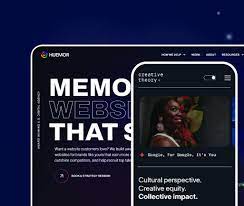
Web Design and Search Engine Optimisation: Why They Work Best Together
A successful website needs to do more than look good. It should help visitors find what they need, make it easy to take the next step and give search engines clear signals about its content. That is why web design and search engine optimisation (SEO) should be considered together from the start.
What is the connection between web design and SEO?
Web design shapes how a site looks and works, while SEO helps people discover it through search engines. The two disciplines overlap in areas such as site structure, page speed, mobile usability, accessibility and content presentation.
A visually impressive website may struggle to attract visitors if its pages are difficult for search engines to understand. Equally, a site that attracts search traffic may fail to meet its goals if visitors find it confusing or frustrating to use. Effective websites balance discoverability with a positive user experience.
Build a clear, logical site structure
Organise pages in a way that makes sense to both visitors and search engines. Clear navigation helps people move around the site, while descriptive page names and a logical hierarchy make it easier to understand how the content fits together.
Keep important pages easy to reach, use descriptive links and avoid unnecessarily complicated menus. A well-planned structure also makes it easier to add new pages as the website grows.
Design for mobile users
Many people browse the web on phones and tablets, so a website should work well on screens of different sizes. Responsive design adapts the layout to the device, keeping text readable, buttons easy to tap and content accessible without awkward horizontal scrolling.
Mobile usability is not just a technical consideration. It affects how visitors experience a site. Test key pages on real devices, paying particular attention to navigation, forms, images and calls to action.
Make performance part of the design
Slow pages can frustrate users and make it harder for them to complete a task. Performance should therefore be considered during design and development, rather than left until the end of a project.
- Use appropriately sized images and modern image formats where supported.
- Limit unnecessary scripts, plugins and visual effects.
- Choose reliable hosting and keep the website’s software up to date.
- Test page performance and address the issues that have the greatest impact.
Speed is only one part of a website’s overall quality, but a fast, stable experience can help visitors engage with its content.
Create useful, well-presented content
Good design gives content a clear visual hierarchy. Headings, short paragraphs, lists and meaningful images help readers scan a page and find relevant information. They also make the content easier to understand.
Write for people first. Answer the questions your audience is likely to have, use clear language and provide information that is genuinely helpful. Page titles and headings should accurately describe the content; repeating keywords unnaturally is unlikely to improve the experience.
Include accessibility in the process
Accessible design helps more people use a website, including people who navigate with a keyboard or use assistive technology. Use sufficient colour contrast, provide alternative text for meaningful images and make sure form fields have clear labels. Do not rely on colour alone to communicate important information.
Accessibility can also encourage good SEO practice. For example, descriptive headings and meaningful link text help visitors understand a page, while also providing useful context about its content.
Measure, test and improve
A website is not finished when it launches. Review how people use it, monitor relevant search performance and look for pages that are slow, difficult to navigate or failing to meet their purpose. Testing different layouts or calls to action can reveal practical improvements.
Use reliable analytics and search tools to inform decisions, but interpret the data in context. A change that increases visits is not necessarily successful if it brings the wrong audience or makes the site harder to use.
Bring design and SEO together from the beginning
The strongest results come when designers, developers, content creators and SEO specialists collaborate throughout a project. Starting with shared goals helps avoid expensive rework and ensures that appearance, usability and search visibility support one another.
By combining thoughtful design with sound SEO principles, businesses can create websites that are attractive, accessible and easier to find. Most importantly, they can provide visitors with a clear and useful experience from the first search to the final action.
Essential FAQs on Web Design and SEO: Understanding Costs, Timelines, and Best Practices
- What is the difference between web design and search engine optimisation (SEO)?
- How does web design affect SEO?
- How much does a professional website design cost in the UK?
- How long does it take to design and build a website?
- How long does SEO take to improve search rankings?
- Is responsive web design important for SEO?
- Can I improve my website’s SEO without redesigning it?
What is the difference between web design and search engine optimisation (SEO)?
Web design focuses on how a website looks and works, including its layout, navigation and user experience. Search engine optimisation (SEO) focuses on helping the website appear in relevant search results by improving its content, structure and technical performance. The two are closely connected: good design makes a site easier to use, while SEO helps the right people find it. A successful website brings both together.
How does web design affect SEO?
Web design affects SEO by shaping how easily search engines can access, understand and index a website, as well as how visitors experience it. A clear site structure, mobile-friendly layouts, fast-loading pages, accessible content and descriptive navigation can all support usability and search visibility. Poor design choices—such as confusing menus, slow pages or content that is difficult to read—may discourage visitors and make important information harder to find. Good web design does not guarantee high rankings, but it creates a strong foundation for effective SEO.
How much does a professional website design cost in the UK?
The cost of a professional website design in the UK varies depending on its size, functionality and level of customisation. A simple brochure website may cost a few hundred to a few thousand pounds, while a bespoke business website or e-commerce store can cost several thousand pounds or more. SEO, copywriting, hosting and ongoing maintenance may be included in the package or charged separately, so ask for a clear breakdown of what’s covered. A well-planned website can support search visibility and business growth, making it important to compare the value and expertise offered—not just the initial price.
How long does it take to design and build a website?
The time it takes to design and build a website depends on its size, complexity and the speed of decision-making. A straightforward website may take a few weeks, while a larger project with custom features, extensive content or e-commerce functionality can take several months. The process typically includes planning, design, development, content preparation, testing and launch. Clear requirements and timely feedback help keep the project on schedule, while allowing time to optimise pages for search engines can support visibility from launch.
How long does SEO take to improve search rankings?
SEO usually takes several weeks to a few months to produce noticeable improvements in search rankings, although the timeframe varies depending on your website’s starting point, the competitiveness of your industry, the quality of your content and the work involved. Technical fixes may have an effect sooner, while building authority and earning strong links often takes longer. SEO is an ongoing process, so regular improvements and monitoring are important; no reputable provider can guarantee a specific ranking or timeframe.
Is responsive web design important for SEO?
Yes, responsive web design is important for SEO because it helps a website work well on mobiles, tablets and desktop computers. A responsive site adapts its layout to different screen sizes, making content easier to read and navigation easier to use. This improves the experience for visitors and supports search engines’ preference for mobile-friendly websites. It can also make a site easier to manage by keeping content and SEO signals together in one version, rather than maintaining separate desktop and mobile sites.
Can I improve my website’s SEO without redesigning it?
Yes, you can improve your website’s SEO without redesigning it. Start by updating existing content to make it more useful and relevant, improving page titles and meta descriptions, fixing broken links, and making sure search engines can crawl and index your pages. You can also improve page speed, check that the site works well on mobile devices, and strengthen internal links between related pages. A redesign may be worthwhile if the site has persistent technical or usability problems, but many SEO improvements can be made to your existing website.