How to Plan a Successful Website Marketing Campaign
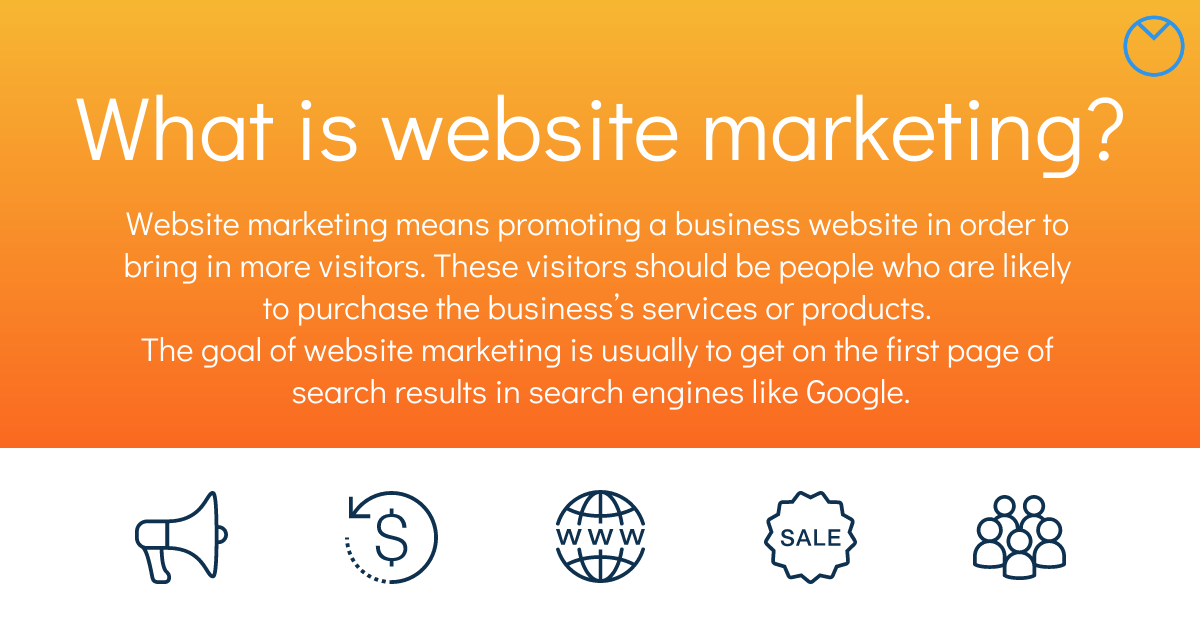
A website marketing campaign is a planned effort to attract the right visitors to your website and encourage them to take a meaningful action. That might mean making a purchase, booking a consultation, signing up to a newsletter or getting in touch. A successful campaign combines clear goals, a strong understanding of its audience and consistent measurement.
Start with a clear objective
Before choosing channels or creating content, decide what the campaign needs to achieve. “Get more traffic” is a starting point, but it is not specific enough to guide decisions. A clearer objective might be to increase qualified enquiries by 20% over three months, or to generate 500 newsletter sign-ups from a new product launch.
Set a timeframe and identify how success will be measured. Useful measures include conversions, cost per lead, sales revenue, email sign-ups and the proportion of visitors who complete a key action. Choose metrics that reflect the campaign’s purpose, rather than tracking numbers simply because they are easy to find.
Understand your audience
Effective marketing speaks to the needs, interests and concerns of its intended audience. Consider who you want to reach, what they are trying to achieve and what might prevent them from taking action. Existing customer feedback, website analytics, search data and sales conversations can all provide useful insight.
Use that understanding to shape the campaign’s message. Explain how your product or service helps, provide evidence where possible and make the next step clear. Avoid relying on vague claims: specific, relevant information is more likely to earn trust.
Make the website ready for visitors
A campaign can bring people to a website, but the site needs to make it easy for them to continue. Check that the relevant pages load quickly, work well on mobile devices and provide the information visitors need. Make calls to action prominent and ensure that forms are straightforward to complete.
It is often useful to create a dedicated landing page for a campaign. A focused page can match the wording and offer visitors saw in an advert, email or search result. Keep the page centred on one main objective, with a clear headline, concise supporting copy and an obvious next step.
Choose the right marketing channels
There is no single channel mix that works for every business. Select channels based on where your audience spends time and how they make decisions. A campaign might use:
- Search engine optimisation (SEO): to help relevant pages appear in organic search results over time.
- Paid search: to reach people actively looking for a product, service or solution.
- Social media: to build awareness, share useful content and engage with a chosen audience.
- Email marketing: to nurture existing contacts and encourage repeat visits or purchases.
- Content marketing: to answer questions and demonstrate expertise through articles, guides, video or other resources.
- Partnerships and referrals: to reach relevant audiences through trusted organisations or customers.
It is usually better to manage a small number of channels well than to spread a limited budget across every available platform. Make sure each channel supports the same campaign objective while adapting the format and message to suit its audience.
Create useful, consistent content
Campaign content should give people a reason to pay attention. It could explain a common problem, compare possible solutions, demonstrate how something works or share a customer’s experience. Keep the central message consistent across adverts, emails and website pages so visitors understand that they have reached the right place.
Plan content in advance, including what will be published, where it will appear and when. A simple content calendar helps teams coordinate activity and avoid last-minute gaps. If you use customer testimonials, statistics or product claims, make sure they are accurate and that you have permission to publish them.
Measure results and improve
Monitoring should begin before the campaign launches. Check that analytics and conversion tracking are working, and that important actions—such as purchases or enquiry submissions—are recorded correctly. Review results regularly, but allow enough time and data to identify meaningful patterns.
Use the findings to improve the campaign. If visitors arrive but do not take action, review the page, offer and user journey. If one channel produces stronger results than another, consider adjusting the budget. Testing alternative headlines, images or calls to action can also reveal what resonates with your audience.
Build trust and respect privacy
Long-term results depend on trust. Be clear about pricing, terms and what happens after someone submits a form. Collect only the personal information you need, explain how it will be used and follow applicable data protection and electronic marketing rules. For campaigns aimed at people in the UK, this includes taking account of UK GDPR and the Privacy and Electronic Communications Regulations (PECR).
Conclusion
A successful website marketing campaign is more than a collection of adverts or social posts. It is a connected plan that brings the right people to a useful, well-designed website and guides them towards a clear next step. By setting measurable goals, understanding your audience, choosing suitable channels and learning from the results, you can make each campaign more focused and effective.
7 Essential Tips for a Successful Website Marketing Campaign
- Set clear goals before launch.
- Know your target audience.
- Use strong calls to action.
- Optimise pages for mobile.
- Track traffic and conversions.
- Test headlines and landing pages.
- Review results and refine your campaign.
Set clear goals before launch.
Set clear goals before launching your website marketing campaign so you know what success looks like and how to measure it. Choose a specific, realistic outcome—such as increasing qualified enquiries, generating newsletter sign-ups or boosting online sales—and set a timeframe for achieving it. Then select a few relevant measures, such as conversion rate or cost per lead, to track progress. Clear goals help you focus your budget and effort, make better decisions during the campaign and identify what to improve next time.
Know your target audience.
Knowing your target audience is essential to a successful website marketing campaign. Take time to understand who your potential customers are, what they need, what challenges they face and how they search for solutions online. Use insights from customer feedback, website analytics and market research to shape your messaging, content and choice of marketing channels. The more relevant your campaign is to your audience, the more likely it is to attract quality visitors and encourage them to take action.
Use strong calls to action.
Use strong calls to action to show visitors exactly what to do next. Choose clear, specific wording such as “Book a free consultation” or “Get your quote” instead of vague phrases like “Click here”. Make each call to action easy to spot, place it where it naturally follows useful information, and ensure the button or link works well on mobile. A focused, persuasive call to action can turn interest into a sign-up, enquiry or sale.
Optimise pages for mobile.
Optimise campaign pages for mobile so visitors can read, browse and take action easily on smaller screens. Use a responsive layout, readable text, clear calls to action and forms that are quick to complete. Keep images lightweight and check that pages load promptly over mobile connections. Test the full experience on different devices, as a page that works smoothly on a phone can help reduce frustration and improve the chance of turning visitors into customers.
Track traffic and conversions.
Track both traffic and conversions to understand not only how many people visit your website, but also whether they take meaningful action. Use analytics tools to see which channels bring visitors, which pages they view and where they leave. Then monitor conversions such as purchases, enquiries or newsletter sign-ups. Reviewing these measures regularly helps you identify what is working, improve underperforming parts of the campaign and spend your budget more effectively.
Test headlines and landing pages.
Test different headlines and landing page layouts to find out what encourages more visitors to take action. Try changing one element at a time—such as the headline, main image or call to action—and compare results using a clear measure, like sign-ups or enquiries. Give each test enough time and traffic to produce useful data, then apply what you learn to improve the campaign.
Review results and refine your campaign.
Review your campaign results regularly to see what is working and where visitors are dropping off. Compare performance with your original goals, using measures such as enquiries, sales, sign-ups and cost per conversion. Use these insights to refine your website content, calls to action, audience targeting or channel spend. Small, evidence-based adjustments can improve results over time and help you make better use of your marketing budget.