
Social Media Marketing in 2021: Trends, Lessons and Lasting Changes
Social media marketing in 2021 was shaped by rapid change. As people continued to adapt to life during the COVID-19 pandemic, online platforms became even more important for communication, entertainment, shopping and discovering brands. Businesses had to respond to shifting customer needs while finding thoughtful ways to stand out in crowded feeds.
Looking back, 2021 was not simply a year of posting more often. It was a year in which businesses had to listen more carefully, create content suited to each platform and build stronger relationships with their audiences.
Short-form video took centre stage
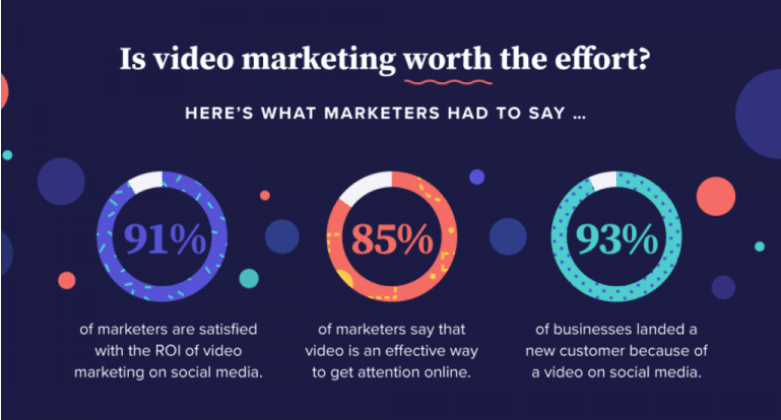
Short-form video was one of the defining formats of the year. TikTok’s popularity encouraged other platforms to invest in similar experiences, including Instagram Reels and YouTube Shorts. These videos gave businesses a way to share quick demonstrations, behind-the-scenes moments, tips and entertaining stories.
The most effective videos did not necessarily have expensive production values. Authenticity, a clear idea and a strong opening were often more important than polished equipment. Brands that understood the style and expectations of each platform were better placed to make content that felt natural rather than like a traditional advert.
Audiences expected more genuine communication
With so much time spent online, audiences became selective about the brands they followed. Generic promotional posts were easy to ignore; useful, entertaining or relevant content had a better chance of earning attention. Businesses increasingly used social media to answer questions, share practical advice and show the people behind their products and services.
Many customers also expected brands to communicate with care about social and cultural issues. This made it important to be sincere and consistent. A statement alone was rarely enough: audiences looked for actions that matched a business’s stated values.
Social media became a shopping destination
Social commerce continued to develop in 2021. Features such as product tags, in-app shops and live shopping helped shorten the journey from discovering a product to considering a purchase. For retailers, this created new opportunities to connect content with commerce.
However, a shop feature was not a substitute for a good customer experience. Clear product information, helpful responses, reliable fulfilment and straightforward returns still mattered. Social platforms could introduce a product, but the overall experience influenced whether customers trusted the business enough to buy.
Community mattered more than follower counts
Businesses increasingly recognised that a large following did not automatically translate into meaningful engagement or sales. Smaller communities could be valuable when their members were genuinely interested and actively involved.
Responding to comments, acknowledging customer contributions and taking part in relevant conversations helped brands build familiarity and trust. Social media worked best as a two-way channel—not simply a place to publish announcements.
Influencer partnerships became more considered
Influencer marketing remained an important part of the social media mix. In 2021, many brands focused on finding creators whose audiences and values aligned with their own. Smaller creators could offer close-knit communities and a strong sense of credibility, while larger creators could provide broad reach.
Successful partnerships depended on clear expectations and creative freedom. Audiences were more likely to respond to sponsored content when it suited the creator’s usual style and was clearly disclosed. Long-term relationships could also feel more credible than a series of unrelated one-off promotions.
Privacy and measurement came into sharper focus
Changes in digital privacy and tracking made it harder for some businesses to measure the impact of online advertising in the same way as before. This encouraged marketers to look beyond simple reach figures and consider a broader set of measures, such as website visits, enquiries, conversions, repeat purchases and customer feedback.
It also highlighted the importance of first-party data: information customers choose to share directly with a business. Any collection and use of personal data should be transparent and handled in accordance with applicable privacy requirements.
Building a social media strategy from the lessons of 2021
The key lessons of 2021 remain useful for businesses planning their social media activity:
- Choose platforms with purpose. Focus on the channels your intended audience uses and your team can manage well.
- Make content fit the platform. Adapt the format, tone and length instead of copying the same post everywhere.
- Offer something valuable. Create content that informs, entertains, inspires or helps your audience solve a problem.
- Be consistent, not constant. A realistic publishing schedule is more sustainable than posting for the sake of it.
- Make time for conversation. Reply to questions and comments, and use feedback to improve products and services.
- Measure outcomes. Set clear objectives and track the measures that relate to them, rather than relying on follower numbers alone.
- Review and adapt. Platform features and audience habits change, so regularly assess what is working.
Conclusion
Social media marketing in 2021 reflected a wider change in how people discovered and interacted with businesses online. Short-form video grew, shopping features developed and audiences placed greater value on useful content, genuine communication and meaningful community.
The central lesson was straightforward: effective social media marketing starts with understanding people. Businesses that listened to their audiences, chose suitable platforms and treated social media as a conversation—not just a broadcasting tool—were better equipped to build lasting connections.
Maximising Brand Impact: The Top 6 Advantages of Social Media Marketing in 2021
- Expanded brand reach across popular platforms.
- Enabled direct engagement with customers.
- Made short-form video a powerful tool.
- Supported in-app product discovery and sales.
- Offered targeted advertising options.
- Helped businesses build online communities.
Challenges in Social Media Marketing 2021: Navigating Crowded Platforms, Algorithm Shifts, Privacy Updates, and Content Demands
- Crowded platforms made it harder to stand out.
- Frequent algorithm changes reduced organic reach.
- Privacy updates complicated ad tracking.
- Constant content creation demanded time and resources.
Expanded brand reach across popular platforms.
One of the key advantages of social media marketing in 2021 was its ability to expand brand reach across popular platforms. Businesses could connect with existing customers while introducing their products and services to new audiences on channels such as Instagram, TikTok, Facebook and YouTube. By adapting content to suit each platform, brands had more opportunities to increase visibility, encourage sharing and build recognition beyond their traditional customer base.
Enabled direct engagement with customers.
One of the key advantages of social media marketing in 2021 was the opportunity to engage directly with customers. Businesses could respond to questions, comments and feedback in real time, making communication feel more personal and accessible. This helped brands understand their customers’ needs, resolve concerns quickly and build stronger relationships, while conversations on public posts could also show prospective customers that the business was attentive and responsive.
Made short-form video a powerful tool.
In 2021, short-form video became a powerful tool for social media marketing, giving businesses new ways to capture attention and share their message quickly. Formats such as TikTok videos, Instagram Reels and YouTube Shorts helped brands showcase products, offer useful tips and share behind-the-scenes moments in an engaging, easy-to-watch style. Because short videos could feel authentic and entertaining, businesses did not always need large production budgets to connect with audiences.
Supported in-app product discovery and sales.
In 2021, social media made it easier for people to discover products and buy them without leaving their favourite apps. Features such as shoppable posts, product tags and in-app shops allowed businesses to showcase items where customers were already browsing, reducing the steps between seeing a product and making a purchase. This helped brands turn engaging content into sales while giving shoppers a more convenient way to explore products.
Offered targeted advertising options.
In 2021, social media marketing offered businesses highly targeted advertising options, making it easier to reach people most likely to be interested in their products or services. Advertisers could tailor campaigns using factors such as location, age, interests and online behaviour, helping them make better use of their budgets and deliver more relevant messages. This precision also allowed businesses to test different adverts and refine their campaigns based on performance.
Helped businesses build online communities.
In 2021, social media marketing helped businesses build online communities by giving them a place to connect with customers beyond individual transactions. Brands could share useful content, respond to questions and encourage people to exchange ideas and experiences. These regular, two-way interactions helped audiences feel more involved and gave businesses valuable insight into what their customers cared about, strengthening trust and loyalty over time.
Crowded platforms made it harder to stand out.
In 2021, crowded social media platforms made it increasingly difficult for businesses to stand out. With brands, creators and users all competing for attention, audiences were constantly presented with new posts, videos and adverts. Even strong content could be overlooked as feeds moved quickly, while changes to platform algorithms affected how many people saw each post. Businesses therefore had to work harder to create distinctive, relevant content and build genuine connections with their audiences.
Frequent algorithm changes reduced organic reach.
Frequent algorithm changes were a significant drawback of social media marketing in 2021, as businesses could find their posts reaching fewer people without warning. Platforms often prioritised particular formats or types of engagement, making it harder for brands to rely on organic reach alone. As a result, marketers had to keep adjusting their content strategies, while some businesses increasingly depended on paid advertising to maintain visibility and connect with their audiences.
Privacy updates complicated ad tracking.
Privacy updates in 2021 made ad tracking more complicated for social media marketers. Changes to consent and data-sharing settings limited access to some user information, making it harder to follow customer journeys, measure campaign performance and target adverts precisely. As a result, businesses had to adapt their reporting, use a broader range of metrics and place greater emphasis on data customers willingly shared with them.
Constant content creation demanded time and resources.
A major drawback of social media marketing in 2021 was the constant demand for fresh content. Businesses were expected to post regularly, respond to followers and adapt material for different platforms and formats, including the growing popularity of short-form video. This took considerable time and resources, from planning and production to moderation and performance tracking. For smaller businesses with limited budgets or staff, keeping up could be difficult, taking attention away from other important tasks without guaranteeing better results.