Ecommerce Digital Marketing Services: A Guide to Growing Your Online Shop
Running an online shop involves more than listing products and waiting for customers to arrive. To attract the right people, turn visits into sales and encourage customers to return, businesses need a considered digital marketing strategy. Ecommerce digital marketing services bring together the channels, tools and expertise that help online retailers reach these goals.
What are ecommerce digital marketing services?
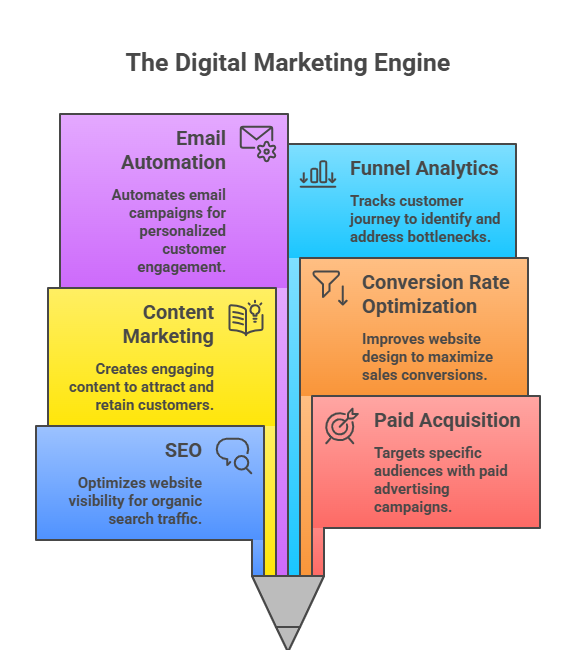
Ecommerce digital marketing services are activities designed to promote an online shop and support its growth. They can include search engine optimisation, paid advertising, social media marketing, email campaigns, content creation and conversion rate optimisation. The right mix depends on factors such as the products you sell, your audience, your budget and the stage your business has reached.
Key services for ecommerce businesses
Search engine optimisation
Search engine optimisation (SEO) helps potential customers discover your products through organic search results. Ecommerce SEO may involve improving category and product pages, researching relevant search terms, refining site structure and resolving technical issues that affect how search engines access your website.
Useful product descriptions and clear information can also improve the shopping experience. SEO is a long-term activity: results take time, but a strong foundation can help a shop attract relevant visitors without relying solely on paid advertising.
Paid search and shopping campaigns
Paid search advertising can place your products in front of people who are actively looking for them. Campaigns may include text adverts, product listings and remarketing, which helps reach people who have previously visited your website.
Successful campaigns need more than a budget. Product data, landing pages, audience targeting and ongoing performance reviews all influence how effectively advertising spend is used.
Social media marketing
Social media gives ecommerce businesses a way to showcase products, share useful content and build relationships with customers. Depending on the audience and product category, this may involve organic posts, paid campaigns, short-form video or creator partnerships.
Rather than trying to appear on every platform, choose the channels your customers use and develop content that suits each one. Clear product information and a consistent brand voice help make social activity more effective.
Email and customer lifecycle marketing
Email marketing can support customers throughout their relationship with your business. Welcome messages, product updates, abandoned basket reminders and post-purchase communications are examples of campaigns that can provide timely and relevant information.
Segmentation and personalisation can make messages more useful, provided they are based on appropriate data and respect customers’ preferences. Every campaign should offer a clear reason to read and a straightforward way to manage subscriptions.
Content marketing
Content marketing helps answer customers’ questions and gives them useful reasons to engage with a brand. Depending on the business, content might include buying guides, product comparisons, instructional videos or articles related to the products on offer.
Good content should be accurate, genuinely helpful and connected to the customer journey. It can support SEO while helping shoppers make more confident decisions.
Conversion rate optimisation
Conversion rate optimisation (CRO) focuses on helping more website visitors complete a desired action, such as making a purchase. This may involve reviewing the checkout process, improving mobile usability, making delivery information clearer or testing different page layouts.
Small improvements can make the shopping experience easier, but changes should be guided by evidence. Analytics, customer feedback and structured testing can help identify what needs attention.
Why an integrated approach matters
Marketing channels work best when they support one another. A customer might first discover a brand through a social post, research a product through a search engine and later return after receiving an email. An integrated strategy considers these different interactions rather than treating each channel as a separate activity.
It also helps businesses make better decisions about where to invest. For example, search data may reveal the questions customers ask, while website analytics can show where visitors leave the buying process. These insights can inform advertising, content and website improvements.
Measuring performance
It is important to agree what success means before launching a campaign. Useful measures may include qualified website traffic, conversion rate, average order value, customer acquisition cost, repeat purchase rate and revenue by channel. The most relevant measures depend on your objectives and business model.
Looking at several metrics together gives a more complete picture than focusing on clicks or impressions alone. Regular reporting helps businesses understand what is working, identify areas for improvement and adjust their marketing activity.
Choosing ecommerce digital marketing services
When considering a digital marketing provider, look for a clear understanding of ecommerce and the practical challenges involved in selling online. Ask how the provider sets objectives, reports on performance and adapts activity as results develop. It is also useful to clarify responsibilities, budgets, expected timelines and how success will be measured.
A good working relationship depends on open communication and realistic expectations. No marketing channel can guarantee a particular outcome, but a thoughtful strategy, careful execution and ongoing evaluation can help a business make informed progress.
Building a stronger online shop
Ecommerce digital marketing services can help online retailers attract relevant visitors, improve the shopping experience and build lasting customer relationships. The most effective strategy is not necessarily the one with the most channels. It is the one that fits your audience, supports your business goals and uses performance insights to keep improving.
Ecommerce Digital Marketing Services: 7 Frequently Asked Questions
- How to do digital marketing for ecommerce?
- Which service is best to digital marketing?
- What is digital marketing services?
- What services can I offer as digital marketing?
- What are ecommerce marketing services?
- What are the 7 types of digital marketing services?
- What are the services of ecommerce marketing agency?
How to do digital marketing for ecommerce?
Digital marketing for ecommerce starts with understanding your target customers and setting clear goals, such as increasing sales, attracting new shoppers or encouraging repeat purchases. Make your online shop easy to use on mobile, with clear product information and a simple checkout, then attract visitors through a mix of search engine optimisation (SEO), paid search and social media. Use helpful content to answer customers’ questions, and email marketing to share relevant updates and follow up on actions such as an abandoned basket. Track measures such as website traffic, conversion rate and customer acquisition cost, and use the results to refine your campaigns over time.
Which service is best to digital marketing?
There is no single digital marketing service that is best for every ecommerce business; the right choice depends on your goals, budget and customers. SEO can help attract organic traffic over the long term, while paid advertising may bring quicker visibility. Email marketing is useful for engaging existing customers and encouraging repeat purchases. For many online shops, combining these services into a well-measured strategy is more effective than relying on just one.
What is digital marketing services?
Digital marketing services are professional activities that help businesses promote their products or services online. They can include search engine optimisation (SEO), paid advertising, social media marketing, email campaigns, content creation and website optimisation. For an ecommerce business, these services aim to attract relevant visitors, encourage purchases and build lasting customer relationships.
What services can I offer as digital marketing?
As a digital marketer specialising in ecommerce, you can offer services such as search engine optimisation (SEO), pay-per-click advertising, social media marketing, email campaigns, content creation, influencer partnerships and conversion rate optimisation. You could also help clients improve product listings, plan promotions, analyse website performance and develop strategies to encourage repeat purchases. Choose services that match your skills and your clients’ needs, and explain clearly how you’ll measure results.
What are ecommerce marketing services?
Ecommerce marketing services are strategies and activities that help online shops attract visitors, convert them into customers and encourage repeat purchases. They may include search engine optimisation (SEO), paid advertising, social media marketing, email campaigns, content creation and conversion rate optimisation. The services are tailored to a business’s products, audience and goals, with performance measured to guide ongoing improvements.
What are the 7 types of digital marketing services?
The seven common types of digital marketing services are search engine optimisation (SEO), which helps customers find your shop in organic search results; pay-per-click (PPC) advertising, such as paid search and shopping adverts; social media marketing, including organic posts and paid campaigns; content marketing, such as buying guides and videos; email marketing, which supports customer retention and repeat purchases; affiliate and influencer marketing, which promotes products through partners; and mobile marketing, which reaches customers through mobile-friendly websites, apps or text messages. These services can be combined to attract shoppers, encourage purchases and build lasting customer relationships.
What are the services of ecommerce marketing agency?
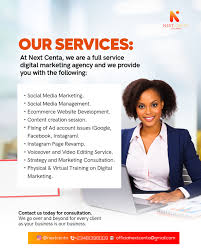
An ecommerce marketing agency can provide a range of services to help an online shop attract customers and grow sales. These commonly include search engine optimisation (SEO), paid search and social media advertising, email marketing, content creation, social media management, influencer campaigns and conversion rate optimisation. Some agencies also support analytics, product feed management and marketing strategy, helping businesses choose suitable channels, measure results and improve performance over time. The services offered vary, so it is worth choosing an agency based on your goals, audience and budget.