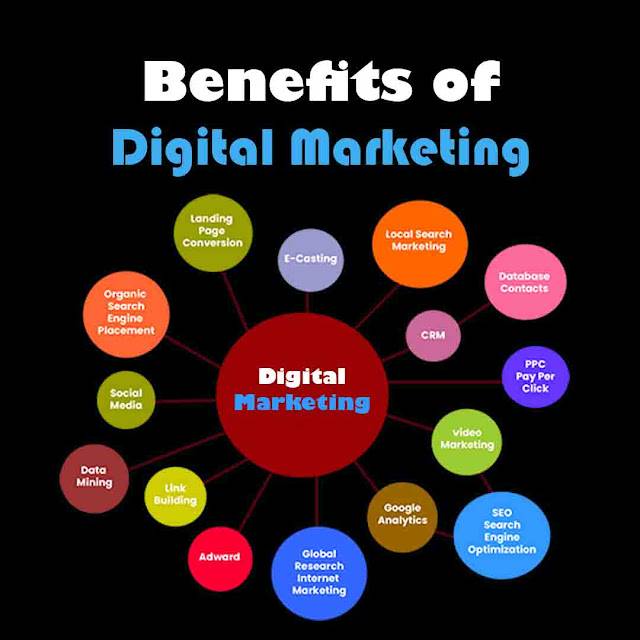
International Digital Marketing: Reaching Customers Across Borders
International digital marketing helps businesses connect with customers in different countries through online channels. It can open the door to new audiences and markets, but success takes more than translating a website or running the same advert everywhere. Effective campaigns reflect local languages, habits, expectations and regulations.
Start with market research
Before entering a new market, businesses need to understand who their potential customers are and how they make purchasing decisions. Research can reveal local demand, preferred products, common payment methods, popular online platforms and the strength of existing competitors.
It is also important to assess practical considerations such as shipping costs, customer support, tax requirements and local regulations. A market may look attractive in theory but prove difficult or costly to serve.
Localise, don’t just translate
Translation changes words from one language to another. Localisation adapts the whole customer experience to suit a particular market. This may include changing measurements, currencies, date formats, imagery, product descriptions and calls to action.
Language also carries cultural meaning. A slogan or visual that works well in one country may be confusing or inappropriate in another. Native-speaking reviewers and local specialists can help ensure that content feels natural and respectful.
Choose channels for each audience
Search engines, social networks, messaging apps and online marketplaces vary in popularity from country to country. A channel that delivers strong results in one market may have limited reach in another. Businesses should find out where their audiences spend time online and how they prefer to discover and compare products.
Search engine optimisation also needs a local approach. This means researching the phrases people actually use in each language, considering regional spelling and terminology, and creating useful content that addresses local needs. Simply translating keywords is unlikely to capture every relevant search.
Build trust and make buying easy
Customers are more likely to buy when a website feels familiar and reliable. Clear local pricing, trusted payment options, transparent delivery information and accessible customer service can all help build confidence. Reviews, guarantees and contact details should also be presented in ways that make sense to the local audience.
The purchasing process should be tested from the customer’s point of view. Slow pages, unfamiliar payment methods or unexpected charges can lead to abandoned baskets, even when the marketing campaign has attracted the right visitors.
Respect local laws and expectations
International campaigns must comply with the rules that apply in each target market. These may cover data protection, cookies, advertising claims, consumer rights, email marketing and the use of personal information. Requirements differ between jurisdictions, so businesses should seek appropriate legal advice before launching campaigns.
Respect also extends beyond legal compliance. Marketing should be inclusive, culturally aware and honest. Images, humour and references should be considered in their local context rather than assumed to have the same meaning everywhere.
Measure performance market by market
International marketing is most effective when results are assessed separately for each market. Useful measures may include qualified traffic, conversion rates, customer acquisition costs, average order values, repeat purchases and return on investment.
Comparisons need context. Differences in currency, seasonality, purchasing power and customer behaviour can affect the figures. Local teams or partners can help interpret results and identify changes worth testing.
Make global growth sustainable
A strong international digital marketing strategy balances consistency with local relevance. A clear brand identity can remain recognisable across markets, while messaging, channels and customer experiences are adapted to local needs.
By researching carefully, investing in meaningful localisation and measuring results market by market, businesses can build stronger relationships with customers around the world. International growth is rarely achieved through a single campaign; it is a long-term process of learning, adapting and earning trust.
9 Essential Tips for Successful International Digital Marketing
- Research local audiences before launching.
- Adapt content to local culture and customs.
- Use professional translation, not just machine translation.
- Choose channels popular in each market.
- Localise prices, currencies and payment options.
- Check regional privacy and advertising laws.
- Optimise websites for local search terms.
- Schedule campaigns for local time zones.
- Track results by country and refine regularly.
Research local audiences before launching.
Before launching an international campaign, take time to understand the people you want to reach. Research local needs, cultural expectations, language and search habits, as well as the platforms and payment methods they prefer. These insights help you shape relevant messages, choose the right channels and avoid assumptions that could put potential customers off.
Adapt content to local culture and customs.
Adapt your content to reflect the culture and customs of each market you serve. Consider local values, traditions, humour, imagery and communication styles, as well as language and regional expressions. A message that feels natural and relevant to one audience may confuse or offend another, so seek local insight and review content with native speakers before publishing. Thoughtful cultural adaptation helps your brand build trust and connect with customers in a respectful, authentic way.
Use professional translation, not just machine translation.
Use professional translation rather than relying solely on machine translation when adapting your marketing for international audiences. A professional translator can preserve your brand’s tone, interpret cultural nuances and choose wording that feels natural to local customers. Machine translation can be useful for an initial draft, but it may miss idioms, humour or context—and small errors can confuse readers or undermine trust. For important content, such as website copy, adverts and product information, have translations reviewed by a native speaker familiar with your industry and target market.
Choose channels popular in each market.
Choose digital channels based on what people actually use in each market. Search engines, social media platforms, messaging apps and online marketplaces vary in popularity around the world, so a channel that works well in one country may have little reach in another. Research local habits and audience preferences before investing, then tailor your content to the platforms where potential customers are most active.
Localise prices, currencies and payment options.
Localise prices, currencies and payment options so customers can understand the cost and pay in a way they trust. Display prices in the local currency, make any taxes or delivery charges clear, and offer payment methods commonly used in each market. A familiar, straightforward checkout can reduce uncertainty and help prevent customers from abandoning their purchase.
Check regional privacy and advertising laws.
Before launching a campaign in a new market, check the local privacy and advertising laws. Rules can vary significantly, covering areas such as consent for cookies and email marketing, the collection and use of personal data, advertising claims and influencer disclosures. Understanding these requirements early—and seeking local legal advice where needed—can help you avoid fines, protect customer trust and ensure your campaigns are appropriate for each region.
Optimise websites for local search terms.
Optimising your website for local search terms helps customers find your business using the words and phrases they naturally use in their region. Research local spelling, language variations and search habits rather than translating keywords word for word, then use relevant terms naturally in page titles, headings, product descriptions and useful content. Where appropriate, create pages for specific locations and provide accurate local business details. Regularly review search performance in each market and refine your approach as language and customer behaviour change.
Schedule campaigns for local time zones.
Schedule campaigns for the local time zones of your target audiences to reach people when they are most likely to be online. An email, social media post or advert sent at the right moment in one country may arrive in the middle of the night in another. Use audience insights to identify peak engagement times, and plan around local working hours, weekends and public holidays. For campaigns spanning several regions, schedule separate versions rather than relying on a single global send time.
Track results by country and refine regularly.
Track your results separately in each country to see which channels, messages and offers are working best for local audiences. Look beyond clicks to measures such as conversions, customer acquisition costs and repeat purchases, taking account of differences in currency, seasonality and buying habits. Review performance regularly, gather local feedback and use what you learn to refine your campaigns—small, ongoing adjustments can make your international marketing more relevant and effective.