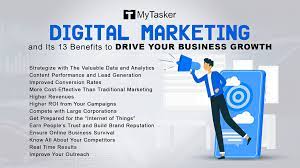
The Shift from Offline to Online Marketing: Adapting to the Digital Age
In today’s fast-paced digital world, the landscape of marketing has undergone a significant transformation. With the rise of the internet and social media, businesses are increasingly shifting their focus from traditional offline marketing strategies to online platforms.
Offline marketing, such as print ads, billboards, and TV commercials, used to dominate the advertising space. While these methods still hold value in certain contexts, the power of online marketing cannot be ignored. The ability to reach a global audience instantly, target specific demographics with precision, and measure campaign performance in real-time are just some of the advantages that online marketing offers.
One of the key benefits of online marketing is its cost-effectiveness. Compared to traditional offline methods, online advertising often requires lower investment while delivering higher returns on investment. This affordability makes it accessible to businesses of all sizes, from small startups to multinational corporations.
Moreover, online marketing allows for greater interactivity and engagement with consumers. Through social media platforms, email campaigns, and interactive websites, businesses can build relationships with their audience, gather feedback in real-time, and tailor their messaging based on consumer behaviour and preferences.
Another advantage of online marketing is its measurability. With tools like Google Analytics and social media insights, businesses can track the performance of their campaigns accurately. Metrics such as click-through rates, conversion rates, and engagement levels provide valuable data that can be used to refine strategies and optimise results.
As consumer behaviour continues to shift towards digital channels, businesses must adapt their marketing strategies accordingly. By embracing online marketing techniques and leveraging the power of digital platforms, companies can stay relevant in an increasingly competitive marketplace and connect with their target audience in meaningful ways.
In conclusion, the shift from offline to online marketing represents a fundamental change in how businesses promote their products and services. By harnessing the potential of digital technologies and engaging with consumers on various online channels, companies can enhance brand visibility, drive sales growth, and build long-lasting relationships with their customers.
Exploring Offline to Online Marketing: Key Questions and Insights
- What are examples of offline marketing?
- How online and offline marketing can work together?
- What is offline vs online marketing examples?
- What is more effective online or offline marketing?
- What is online offline marketing?
- What is offline to online marketing?
- What is the difference between offline and online marketing?
- What is the 3 3 3 rule in marketing?
- What are the 4 types of marketing?
What are examples of offline marketing?
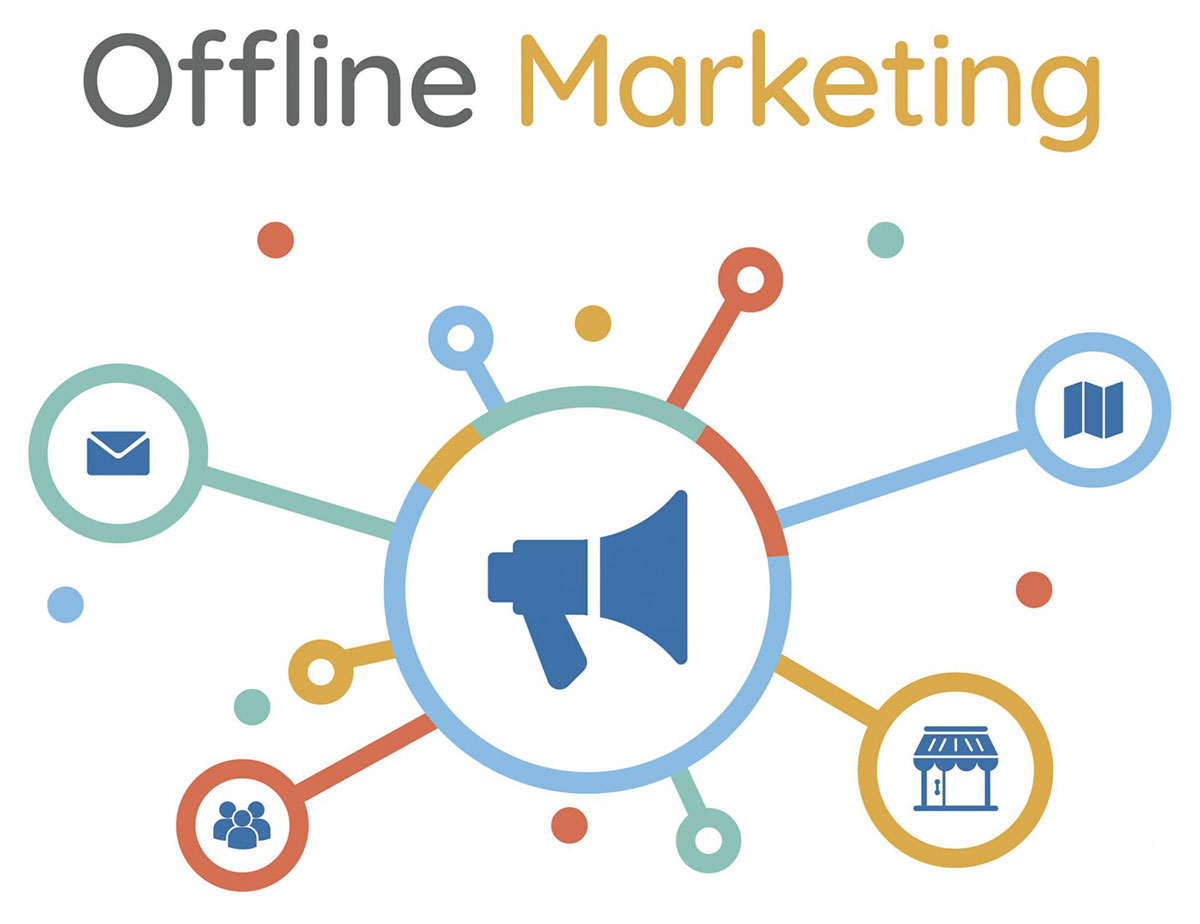
Offline marketing refers to traditional marketing methods that do not rely on digital platforms for promotion. Examples of offline marketing include print advertising in newspapers and magazines, television and radio commercials, direct mail campaigns, billboards and outdoor signage, as well as event sponsorships and trade shows. These offline strategies have been long-standing pillars of marketing efforts, allowing businesses to reach a wide audience through traditional media channels and physical interactions. While online marketing has gained prominence in recent years, offline marketing still plays a significant role in many companies’ overall marketing mix.
How online and offline marketing can work together?
The integration of online and offline marketing strategies presents a powerful opportunity for businesses to create a cohesive and impactful brand presence across multiple channels. By combining the strengths of both online and offline approaches, companies can amplify their reach and engagement with consumers. For instance, using offline methods like print ads or direct mail to drive traffic to online platforms such as websites or social media pages can enhance brand awareness and encourage customer interaction. Similarly, online marketing tactics like email campaigns or social media promotions can complement offline initiatives by reinforcing key messages and providing additional touchpoints for audience engagement. When effectively coordinated, the synergy between online and offline marketing efforts can create a seamless customer journey that maximises brand visibility, fosters customer loyalty, and drives business growth.
What is offline vs online marketing examples?
Offline marketing refers to traditional marketing methods that do not involve the use of digital platforms, such as print ads, direct mail, TV commercials, and billboards. These strategies rely on physical media to reach consumers and promote products or services. In contrast, online marketing utilises digital channels like social media, email campaigns, search engine optimisation (SEO), and online advertisements to engage with audiences and drive brand awareness. For example, a print ad in a magazine is an offline marketing tactic, while a sponsored post on Facebook targeting a specific demographic is an online marketing strategy. Both offline and online marketing have their own advantages and can be effective when used strategically to reach different target audiences.
What is more effective online or offline marketing?
When considering the effectiveness of marketing strategies, the debate between online and offline approaches often arises. While offline marketing methods such as print ads and direct mail have their merits in reaching certain audiences, online marketing has emerged as a powerful tool in today’s digital age. Online marketing offers unparalleled reach, targeting capabilities, interactivity, and measurability that make it a highly effective and efficient option for businesses looking to connect with their target audience. The key lies in understanding the unique strengths of each approach and integrating them strategically to create a comprehensive marketing strategy that maximises impact and ROI.
What is online offline marketing?
Online offline marketing, also known as omnichannel marketing, refers to a strategic approach that integrates both online and offline marketing channels to create a seamless and cohesive brand experience for consumers. This hybrid marketing strategy aims to leverage the strengths of both digital and traditional methods to reach a wider audience, engage customers across multiple touchpoints, and drive conversions. By combining the reach and targeting capabilities of online platforms with the tangible and personal nature of offline channels, businesses can create a unified brand presence that resonates with consumers in today’s interconnected world.
What is offline to online marketing?
Offline to online marketing refers to the strategic transition of traditional marketing efforts from physical, offline channels to digital, online platforms. This shift involves adapting and integrating marketing strategies to leverage the vast reach and interactivity offered by the internet and digital technologies. By embracing offline to online marketing, businesses can effectively engage with their target audience, enhance brand visibility, drive conversions, and stay competitive in today’s increasingly digital-centric marketplace.
What is the difference between offline and online marketing?
When considering the difference between offline and online marketing, it is essential to understand the distinct approaches each method entails. Offline marketing traditionally involves promotional activities carried out through non-digital channels such as print media, television, radio, and direct mail. In contrast, online marketing leverages digital platforms like websites, social media, email campaigns, and search engine advertising to reach and engage with target audiences. While offline marketing focuses on physical interactions and traditional media outlets, online marketing offers greater flexibility, interactivity, measurability, and global reach. Businesses today often blend both offline and online strategies to create comprehensive marketing campaigns that effectively resonate with their audience across various channels.
What is the 3 3 3 rule in marketing?
The 3 3 3 rule in marketing refers to a strategy that emphasises consistency, frequency, and variety in promotional efforts. Consistency involves maintaining a uniform brand message across different marketing channels to build brand recognition and trust with consumers. Frequency highlights the importance of regularly engaging with the target audience to stay top-of-mind and reinforce brand awareness. Variety encourages marketers to diversify their marketing tactics and content to capture the attention of diverse consumer segments and keep campaigns fresh and engaging. By adhering to the 3 3 3 rule, businesses can create a well-rounded marketing approach that effectively reaches and resonates with their target audience.
What are the 4 types of marketing?
In the realm of marketing, there are four primary types that encompass different strategies and approaches to reaching and engaging with target audiences. These four types include product marketing, service marketing, relationship marketing, and experiential marketing. Product marketing focuses on promoting and selling tangible goods, while service marketing centres on promoting intangible services. Relationship marketing emphasises building long-term connections with customers to foster loyalty and repeat business. Lastly, experiential marketing aims to create memorable experiences that engage consumers on a personal level, leaving a lasting impression that goes beyond traditional advertising methods. Each type of marketing plays a crucial role in shaping brand perception and driving success in the competitive marketplace.