The Power of an Effective Online Advertising Strategy
In today’s digital landscape, having a strong online advertising strategy is crucial for businesses looking to reach and engage their target audience effectively. With the vast array of online platforms available, from social media to search engines, crafting a well-thought-out advertising plan can make all the difference in driving traffic, generating leads, and ultimately boosting sales.
Understanding Your Audience
One of the key pillars of a successful online advertising strategy is understanding your target audience. By conducting thorough market research and analysing consumer behaviour, you can create tailored ads that resonate with your audience’s needs and preferences. Personalisation is key in capturing attention and driving conversions.
Choosing the Right Platforms
Not all online platforms are created equal, and it’s essential to choose the ones that align best with your business goals and target demographic. Whether it’s Google Ads for search engine visibility, Facebook Ads for social media engagement, or display advertising for brand awareness, selecting the right platforms can maximise your advertising ROI.
Crafting Compelling Ad Copy
The content of your ads plays a significant role in capturing audience interest. From attention-grabbing headlines to persuasive calls-to-action, crafting compelling ad copy that conveys your brand message effectively is essential. A/B testing different ad variations can help refine your messaging for optimal performance.
Monitoring and Optimising Performance
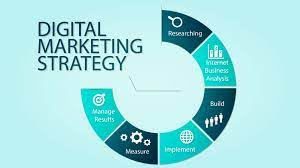
An effective online advertising strategy doesn’t end with launching campaigns – continuous monitoring and optimisation are key to success. By tracking metrics such as click-through rates, conversion rates, and cost per acquisition, you can identify areas for improvement and make data-driven adjustments to enhance campaign performance.
9 Essential FAQs About Crafting an Effective Online Advertising Strategy
- What is online advertising strategy and why is it important?
- How can I target the right audience with my online advertising?
- Which online platforms are most effective for advertising?
- What are the key elements of a successful online ad campaign?
- How can I measure the success of my online advertising efforts?
- What budget should I allocate for online advertising?
- Are there any best practices for creating engaging ad content?
- How often should I review and adjust my online advertising strategy?
- What role does data analytics play in improving online advertising performance?
What is online advertising strategy and why is it important?
Online advertising strategy refers to the comprehensive plan and approach that businesses use to promote their products or services on digital platforms. It encompasses various tactics, such as selecting the right advertising channels, crafting compelling ad content, targeting specific audience segments, and measuring campaign performance. A well-defined online advertising strategy is crucial for businesses as it enables them to reach their target audience effectively, increase brand visibility, drive website traffic, generate leads, and ultimately boost sales. By leveraging the power of online advertising strategically, businesses can enhance their online presence, engage with potential customers in a meaningful way, and achieve their marketing objectives in a competitive digital landscape.
How can I target the right audience with my online advertising?
To effectively target the right audience with your online advertising, it is essential to first understand your target demographic through thorough market research and data analysis. By identifying key characteristics such as age, interests, behaviour, and location, you can create detailed customer personas that guide your advertising efforts. Utilising audience targeting tools provided by online platforms, such as demographics targeting on social media or keyword targeting on search engines, allows you to reach specific segments of your audience with tailored messaging. Regularly reviewing and refining your targeting parameters based on campaign performance metrics ensures that your ads are reaching the most relevant audience for maximum impact and engagement.
Which online platforms are most effective for advertising?
When considering which online platforms are most effective for advertising, it is essential to evaluate the specific goals and target audience of your campaign. Different platforms offer unique advantages depending on the nature of your business and the demographics you aim to reach. For instance, search engine advertising on Google Ads can be highly effective for capturing intent-driven traffic, while social media platforms like Facebook and Instagram excel at engaging with a broader audience through visual content. Display advertising on websites and mobile apps can also boost brand visibility. Ultimately, a comprehensive online advertising strategy may involve a mix of platforms tailored to maximise reach and engagement with your desired audience.
What are the key elements of a successful online ad campaign?
When considering the key elements of a successful online ad campaign, several factors come into play. Understanding your target audience and tailoring your messaging to resonate with their needs and preferences is crucial. Choosing the right online platforms that align with your campaign objectives, crafting compelling ad copy that captures attention and drives action, and continuously monitoring and optimising campaign performance are all essential components. A successful online ad campaign combines strategic planning, engaging content, targeted delivery, and data-driven insights to maximise reach, engagement, and conversions. By focusing on these key elements, businesses can create impactful campaigns that deliver measurable results in the competitive digital landscape.
How can I measure the success of my online advertising efforts?
To evaluate the effectiveness of your online advertising efforts, it is essential to measure key performance indicators (KPIs) that align with your campaign objectives. Metrics such as click-through rates, conversion rates, return on ad spend (ROAS), and cost per acquisition (CPA) provide valuable insights into the performance and impact of your ads. Additionally, tracking website traffic, engagement metrics, and sales attribution can help gauge the overall success of your online advertising strategy. By analysing these metrics regularly and making data-driven adjustments, you can optimise your campaigns for better results and ROI.
What budget should I allocate for online advertising?
When determining the budget to allocate for online advertising, it is essential to consider various factors such as your business goals, target audience, industry competition, and the platforms you plan to utilise. A common approach is to start with a modest budget and gradually increase it based on campaign performance and ROI. Conducting thorough research and testing different budget levels can help identify the optimal investment that yields the best results for your specific advertising objectives. Remember, flexibility is key in adjusting your budget to align with evolving market trends and business priorities.
Are there any best practices for creating engaging ad content?
When it comes to creating engaging ad content as part of an online advertising strategy, several best practices can help maximise the effectiveness of your campaigns. Firstly, understanding your target audience and tailoring your messaging to resonate with their needs and preferences is crucial. Incorporating compelling visuals, concise yet impactful copy, and a strong call-to-action can capture attention and drive engagement. A/B testing different ad variations to determine what resonates best with your audience can also refine your content for optimal performance. By continuously monitoring and analysing the results of your ad campaigns, you can identify successful strategies and make data-driven adjustments to further enhance the engagement levels of your ads.
How often should I review and adjust my online advertising strategy?
Regularly reviewing and adjusting your online advertising strategy is essential to staying competitive in the ever-evolving digital landscape. The frequency of these reviews can vary based on factors such as campaign goals, industry trends, and platform algorithms. As a general rule of thumb, it is recommended to review your online advertising strategy at least once a month to assess performance metrics, identify areas for improvement, and make data-driven adjustments to optimise campaign effectiveness. By staying proactive and responsive to changes in consumer behaviour and market dynamics, you can ensure that your online advertising strategy remains relevant and impactful in driving results for your business.
What role does data analytics play in improving online advertising performance?
Data analytics plays a pivotal role in enhancing online advertising performance by providing valuable insights into campaign effectiveness, audience behaviour, and ROI. By leveraging data analytics tools and techniques, businesses can track and measure key metrics such as click-through rates, conversion rates, and customer engagement levels. This data-driven approach enables advertisers to make informed decisions, optimise ad targeting strategies, and allocate resources more efficiently to maximise their advertising impact. Ultimately, data analytics empowers businesses to continuously refine their online advertising strategies based on real-time performance data, leading to improved results and a higher return on investment.