The Power of PPC in Digital Marketing
Pay-Per-Click (PPC) advertising has revolutionised the way businesses promote their products and services online. In the fast-paced world of digital marketing, PPC offers a targeted and cost-effective strategy to reach potential customers and drive conversions.
What is PPC?
PPC is a form of online advertising where advertisers pay a fee each time their ad is clicked. This model allows businesses to bid for ad placement in search engine results or on websites, targeting specific keywords or demographics to reach their desired audience.
The Benefits of PPC
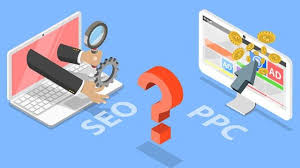
One of the key advantages of PPC advertising is its immediacy. Unlike organic search engine optimisation (SEO) efforts that can take time to yield results, PPC campaigns can generate traffic and leads quickly. This makes it an ideal tool for businesses looking to boost their online visibility and drive immediate sales.
PPC also offers precise targeting options, allowing advertisers to tailor their ads based on factors such as location, device, interests, and more. This level of granularity ensures that ads are shown to the most relevant audience, increasing the likelihood of conversions.
Maximising ROI with PPC
To maximise return on investment (ROI) with PPC advertising, it’s essential to continuously monitor and optimise campaigns. By analysing performance metrics such as click-through rates, conversion rates, and cost per acquisition, advertisers can refine their strategies to improve results over time.
Conclusion
In conclusion, PPC is a powerful tool in the digital marketing arsenal that offers businesses a targeted and measurable way to reach their audience. By leveraging the benefits of PPC advertising and adopting a data-driven approach, businesses can drive growth and achieve their marketing goals effectively.
Top 5 Advantages of PPC in Digital Marketing: Immediate Results, Targeted Ads, and More
Challenges of PPC in Digital Marketing: High Costs, Click Fraud, Short-Lived Gains, and Skill Demands
Immediate results
PPC campaigns offer the significant advantage of delivering immediate results in digital marketing. By utilising PPC advertising, businesses can swiftly generate traffic and leads, leading to instant visibility online. This rapid impact allows companies to quickly reach their target audience, increase brand awareness, and drive conversions without the waiting period often associated with other marketing strategies. Immediate visibility through PPC campaigns can give businesses a competitive edge and help them achieve their marketing objectives efficiently.
Targeted advertising
One significant advantage of PPC in digital marketing is its ability to deliver targeted advertising. By utilising demographics, interests, and keywords, PPC campaigns can precisely target specific audience segments, ensuring that ads are displayed to the right people at the right time. This level of precision not only enhances the relevance of the ads but also increases the likelihood of engagement and conversions. Targeted advertising through PPC enables businesses to maximise their marketing efforts by reaching a highly relevant audience most likely to be interested in their products or services.
Cost-effective
In the realm of digital marketing, one notable advantage of PPC advertising is its cost-effectiveness. Advertisers benefit from a pay-per-click model, meaning they only incur charges when users engage with their ads by clicking on them. This pay-as-you-go approach makes PPC an efficient and budget-friendly method for driving conversions, as businesses can allocate resources towards reaching potential customers who have shown genuine interest in their offerings.
Measurable results
Achieving measurable results is a significant advantage of utilising PPC in digital marketing. By closely monitoring performance metrics within PPC campaigns, businesses gain valuable insights that allow for continuous optimisation and in-depth ROI analysis. Metrics such as click-through rates, conversion rates, and cost per acquisition provide concrete data to assess the effectiveness of campaigns and make informed decisions on refining strategies for improved outcomes. This data-driven approach not only enhances the efficiency of marketing efforts but also enables businesses to track their return on investment accurately, ensuring that resources are allocated effectively to maximise results.
Flexible budgeting
In the realm of digital marketing, one significant advantage of PPC campaigns is the flexibility they offer in budget management. Advertisers have the autonomy to control their expenditure, enabling them to fine-tune their spending according to the performance of their ads. This feature empowers businesses to allocate resources strategically, reallocating funds to high-performing campaigns and adjusting budgets for underperforming ones. Such flexibility not only optimises cost-effectiveness but also ensures that advertisers can adapt swiftly to changing market conditions, maximising the impact of their digital marketing efforts.
1. Costly
PPC advertising, while effective, can present a significant drawback in terms of cost. Particularly in competitive industries where the bidding for keywords is intense, the expense of running PPC campaigns can quickly add up. Businesses may find themselves in a costly competition for top ad placements, which can strain their marketing budgets and impact overall profitability. Careful budgeting and strategic keyword selection are essential to navigate this con of PPC advertising and ensure a sustainable return on investment.
2. Click Fraud
One significant drawback of PPC advertising in digital marketing is the prevalence of click fraud. This unethical practice poses a serious risk to advertisers, as competitors or malicious individuals may repeatedly click on ads with no intention of engaging with the content. This fraudulent activity can quickly deplete an advertiser’s budget without generating any genuine leads or conversions, ultimately undermining the effectiveness and ROI of PPC campaigns. Advertisers must remain vigilant and implement measures to detect and prevent click fraud to ensure their marketing efforts are not compromised by malicious intent.
3. Limited Long-Term Benefits
One significant drawback of PPC in digital marketing is its limited long-term benefits. While SEO strategies can yield lasting effects over time, the impact of PPC campaigns is often short-lived. Once the allocated budget for PPC advertising is depleted, the benefits cease, and the visibility and traffic generated through paid ads may diminish rapidly. This lack of sustainability highlights the importance of incorporating a balanced approach that combines both PPC and SEO efforts to achieve continuous and enduring online success.
4. Skill Requirement
Effective PPC management demands a high level of skill and expertise, along with ongoing monitoring to fine-tune campaigns for optimal performance. This aspect can pose a significant challenge for beginners in the field of digital marketing. Without the necessary knowledge and experience, navigating the complexities of PPC advertising and making informed decisions to maximise results can be daunting. As such, the learning curve for mastering PPC strategies may be steep, requiring dedication and commitment to acquire the skills needed to run successful campaigns.