The Power of Real Estate Online Marketing
In today’s digital age, the real estate industry has witnessed a significant shift towards online marketing. With the majority of property buyers starting their search on the internet, having a strong online presence is crucial for real estate agents and agencies looking to attract potential clients and close deals.
Benefits of Real Estate Online Marketing
Wider Reach: Online marketing allows real estate professionals to reach a larger audience beyond their local market. Through social media platforms, property listings websites, and targeted online ads, agents can showcase properties to potential buyers worldwide.
Cost-Effective: Compared to traditional marketing methods such as print advertising or billboards, online marketing offers a more cost-effective way to promote properties. Agents can run targeted ad campaigns within their budget and track the performance of their marketing efforts in real-time.
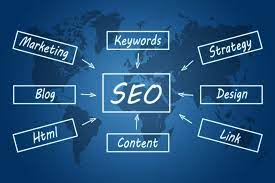
Increased Visibility: By optimising their website for search engines and utilising search engine marketing strategies, real estate agents can improve their visibility online. This helps them attract organic traffic from users actively searching for properties in their area.
Key Strategies for Successful Real Estate Online Marketing
Professional Website: A well-designed and user-friendly website is essential for showcasing properties and providing valuable information to potential clients. Agents should ensure that their website is mobile-responsive and features high-quality images and detailed property descriptions.
Social Media Engagement: Social media platforms like Facebook, Instagram, and LinkedIn offer great opportunities for real estate agents to engage with their audience, share property listings, and build relationships with potential clients. Regularly posting updates and engaging content can help agents stay top-of-mind with followers.
Email Marketing: Building an email list of interested buyers and sellers allows agents to send personalised property listings, market updates, and promotional offers directly to their inbox. Email marketing campaigns can help nurture leads and convert them into clients over time.
The Future of Real Estate Marketing
As technology continues to evolve, the future of real estate marketing lies in leveraging emerging trends such as virtual reality tours, artificial intelligence-driven chatbots for customer service, and data analytics for targeted marketing strategies. Real estate professionals who embrace these innovations will be better positioned to succeed in an increasingly competitive market.
Essential Insights into Real Estate Online Marketing: Top 9 FAQs Answered
- 1. What is real estate online marketing?
- 2. How can online marketing benefit real estate agents?
- 3. What are the key strategies for successful real estate online marketing?
- 4. How important is having a professional website in real estate online marketing?
- 5. What role does social media play in the marketing of real estate properties?
- 6. How can email marketing be utilised effectively in the real estate industry?
- 7. What are some cost-effective ways to promote properties online?
- 8. How can search engine optimisation (SEO) improve visibility for real estate agents online?
- 9. What emerging trends are shaping the future of real estate online marketing?
1. What is real estate online marketing?
Real estate online marketing refers to the strategic use of digital channels and platforms to promote and advertise properties for sale or rent. It encompasses a range of online tactics, including website optimisation, social media engagement, email marketing, and search engine advertising. By leveraging the power of the internet, real estate professionals can reach a wider audience, increase visibility for their listings, and engage with potential clients in a more targeted and cost-effective manner. In today’s digital landscape, real estate online marketing plays a crucial role in attracting buyers and tenants, building brand awareness, and driving successful property transactions.
2. How can online marketing benefit real estate agents?
Online marketing can benefit real estate agents in numerous ways. By leveraging online platforms and strategies, agents can expand their reach to a wider audience, attract more potential buyers and sellers, and ultimately increase their chances of closing deals. Online marketing allows agents to showcase properties through visually engaging content, targeted advertising, and personalised communication with clients. Additionally, it provides a cost-effective means of promoting listings compared to traditional marketing methods. Through effective online marketing techniques such as search engine optimisation, social media engagement, and email campaigns, real estate agents can enhance their visibility, build brand credibility, and establish long-lasting relationships with clients in the competitive real estate market.
3. What are the key strategies for successful real estate online marketing?
When it comes to successful real estate online marketing, key strategies play a crucial role in driving visibility and engagement. Professional website development with user-friendly features and high-quality content is essential for showcasing properties effectively. Social media engagement on platforms like Facebook and Instagram helps agents connect with their audience, share listings, and build relationships. Email marketing is another powerful tool for nurturing leads and converting them into clients through personalised communication. By implementing these strategies effectively, real estate professionals can enhance their online presence and attract potential buyers efficiently.
4. How important is having a professional website in real estate online marketing?
Having a professional website is paramount in real estate online marketing. A well-designed and user-friendly website serves as the digital storefront for real estate agents and agencies, allowing them to showcase properties effectively and provide valuable information to potential clients. A professional website not only enhances credibility and trust but also helps agents stand out in a competitive market. With the majority of property buyers starting their search online, having a visually appealing and informative website can significantly impact the success of real estate marketing efforts.
5. What role does social media play in the marketing of real estate properties?
Social media plays a crucial role in the marketing of real estate properties by providing a platform for real estate agents to showcase listings, engage with potential buyers, and build brand awareness. Platforms like Facebook, Instagram, and LinkedIn allow agents to reach a wide audience, target specific demographics, and promote properties through visually engaging content. Social media also enables real estate professionals to share market updates, industry insights, and valuable information that can attract and nurture leads. By leveraging the power of social media marketing strategies such as targeted advertising, engaging with followers, and creating compelling visual content, agents can enhance their online presence and establish themselves as trusted authorities in the real estate industry.
6. How can email marketing be utilised effectively in the real estate industry?
Email marketing can be a powerful tool in the real estate industry when utilised effectively. Real estate professionals can leverage email campaigns to nurture leads, build relationships with potential clients, and showcase property listings. By segmenting their email lists based on buyer preferences and behaviours, agents can send targeted and personalised content that resonates with recipients. Providing valuable information such as market updates, property tips, and exclusive listings can help establish trust and credibility with subscribers. Additionally, incorporating compelling visuals and clear calls-to-action in emails can drive engagement and encourage recipients to take desired actions, ultimately leading to increased conversions and successful real estate transactions.
7. What are some cost-effective ways to promote properties online?
When it comes to promoting properties online in a cost-effective manner, real estate agents can leverage several strategies to maximise their marketing efforts without breaking the bank. Utilising social media platforms like Facebook, Instagram, and Twitter to showcase property listings and engage with potential buyers is a cost-effective way to reach a wider audience. Additionally, optimising property listings on popular real estate websites and directories can increase visibility without significant costs. Email marketing campaigns targeting interested buyers and sellers can also be an efficient way to promote properties online while keeping expenses in check. By combining these tactics strategically, real estate agents can effectively promote properties online within budget constraints.
8. How can search engine optimisation (SEO) improve visibility for real estate agents online?
Optimising a real estate website for search engines through SEO techniques can significantly enhance visibility for agents online. By strategically incorporating relevant keywords, creating high-quality content, and improving website performance, real estate agents can increase their chances of appearing higher in search engine results pages. This means that potential clients searching for properties in a specific location or with particular features are more likely to discover the agent’s listings, ultimately driving organic traffic to their website and generating valuable leads. A well-executed SEO strategy can establish an agent as an authority in the real estate market and boost their online presence, ultimately leading to increased visibility and potential business growth.
9. What emerging trends are shaping the future of real estate online marketing?
One of the frequently asked questions in the realm of real estate online marketing is, “What emerging trends are shaping the future of real estate online marketing?” This question highlights the growing importance of staying ahead of industry trends to remain competitive in the digital landscape. Emerging technologies such as virtual reality tours, AI-driven chatbots for enhanced customer service, and data analytics for targeted marketing strategies are reshaping how real estate professionals engage with clients and market properties online. By embracing these innovative trends, agents can differentiate themselves, provide better user experiences, and ultimately drive success in an evolving market.