Digital Marketing: How It Helps Businesses Reach the Right People
Marketing is about understanding what customers need and communicating how a product or service can help. Digital marketing applies these principles across online channels, helping businesses reach audiences where they search, browse, watch and shop.
What is digital marketing?
Digital marketing includes promotional activity delivered through websites, search engines, social media, email and other digital platforms. It can support a range of goals, from building awareness and attracting website visitors to generating enquiries and encouraging repeat purchases.
Unlike traditional marketing, many digital channels provide detailed performance data. Businesses can see how people interact with campaigns and use those insights to improve their approach. However, effective digital marketing is not simply a matter of collecting clicks or impressions. It connects measurable activity to meaningful business objectives.
Key digital marketing channels
Search engine optimisation
Search engine optimisation (SEO) helps a website appear in relevant unpaid search results. It involves creating useful content, improving site structure and ensuring that pages work well on mobile devices. Strong SEO is built over time and focuses on meeting the needs behind a person’s search.
Paid search and online advertising
Paid search places adverts alongside search results, usually in response to specific queries. Display, video and social adverts can also introduce products or services to selected audiences. Clear targeting and ongoing testing help businesses spend their advertising budgets effectively.
Content marketing
Content marketing uses material such as articles, guides, videos and case studies to inform or assist an audience. Useful content can build trust, answer common questions and support customers as they consider their options. It should offer genuine value rather than simply promote a product.
Social media marketing
Social media gives businesses a way to share content, take part in conversations and learn more about their audiences. The most suitable platforms depend on the people a business wants to reach and the type of content it can produce consistently.
Email marketing
Email can help businesses maintain relationships with customers and subscribers. Newsletters, service updates and tailored offers can all play a role, provided messages are relevant and sent with appropriate permission. A clear unsubscribe option and responsible handling of personal data are essential.
Why a joined-up strategy matters
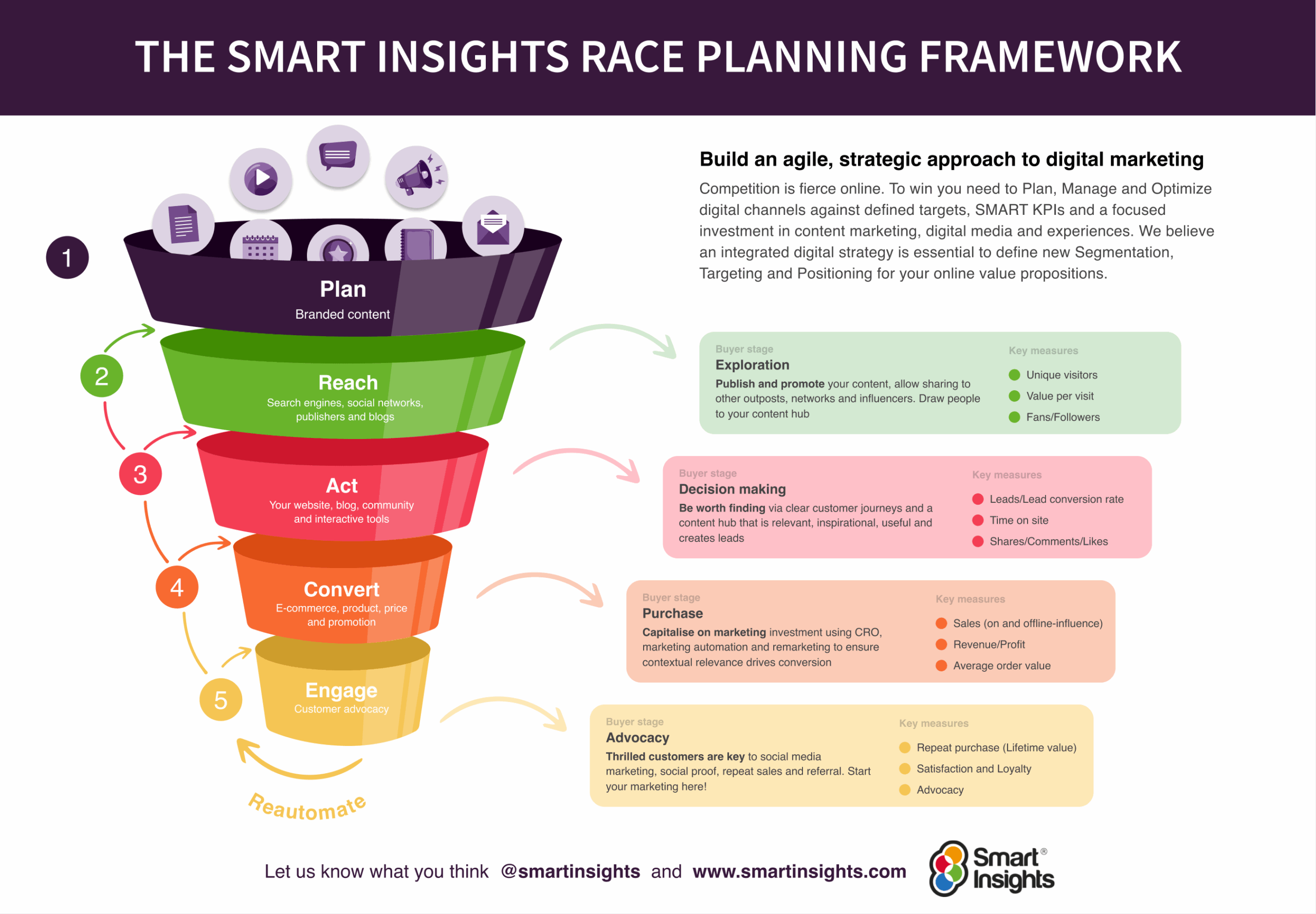
Digital channels work best when they support one another. For example, an informative article may attract visitors through search, a social post may help it reach a wider audience, and an email may bring interested subscribers back to the website. Consistent messaging makes the customer journey clearer and strengthens recognition of a brand.
A strategy should begin with specific objectives, such as increasing qualified enquiries, growing online sales or improving customer retention. These objectives help determine which channels to use, what content to create and which results to measure.
Measuring performance
Useful measures depend on the goal. Website visits may indicate reach, while conversion rates show how often visitors take a desired action. Businesses may also track cost per lead, return on advertising spend, email engagement and customer retention.
Data should be interpreted in context. A high number of clicks does not necessarily mean a campaign is profitable, and a short-term dip in traffic may not tell the whole story. Regular analysis helps identify what is working and where changes are needed.
Getting started
- Define the audience: Identify who the business wants to reach and what those people are looking for.
- Set clear objectives: Choose outcomes that can be measured and linked to wider business goals.
- Select suitable channels: Focus on platforms that fit the audience, budget and available resources.
- Create useful, consistent content: Make sure each message is relevant and reflects the brand accurately.
- Review and improve: Monitor performance, learn from the results and refine campaigns over time.
Conclusion
Digital marketing is an important part of modern marketing, but success depends on more than being present on every platform. A clear understanding of customers, useful communication and thoughtful measurement provide a stronger foundation. By choosing the right channels and improving campaigns over time, businesses can build lasting relationships and achieve sustainable growth.
Six Essential Tips for Effective Digital Marketing Campaigns
- Set clear goals for every campaign.
- Know your audience and target them thoughtfully.
- Create useful, engaging content consistently.
- Optimise your website for mobile and search.
- Test different headlines, formats and calls to action.
- Track results and refine your strategy regularly.
Set clear goals for every campaign.
Set clear goals for every digital marketing campaign before it begins. A specific objective—such as increasing qualified website enquiries, growing online sales or encouraging newsletter sign-ups—helps you choose the right channels, shape your message and decide how to measure success. Track relevant results throughout the campaign, then use what you learn to improve future marketing activity.
Know your audience and target them thoughtfully.
Knowing your audience is the foundation of effective digital marketing. Take time to understand their needs, interests, challenges and online habits, then tailor your content and campaigns to offer genuine value. Use relevant data responsibly to reach the people most likely to benefit from your product or service, and avoid overwhelming them with irrelevant messages. Thoughtful targeting helps build trust, strengthen engagement and make better use of your marketing budget.
Create useful, engaging content consistently.
Create useful, engaging content consistently to give your audience a reason to return and trust your brand. Focus on answering real questions, solving common problems or sharing insights that matter to your customers, rather than posting simply to fill a calendar. Choose a manageable publishing schedule and use formats that suit your audience, such as articles, videos or social media posts. Over time, consistent, valuable content can strengthen brand recognition, encourage engagement and support your wider digital marketing goals.
Optimise your website for mobile and search.
Optimise your website for mobile and search by making sure it loads quickly, is easy to navigate on smaller screens and presents clear, useful content. Use relevant search terms naturally in page titles, headings and copy, and make links and buttons simple to tap. A mobile-friendly, well-structured website offers a better experience for visitors and helps search engines understand and find your pages.
Test different headlines, formats and calls to action.
Test different headlines, content formats and calls to action to find out what resonates most with your audience. A clear, attention-grabbing headline may encourage more people to read, while a video, infographic or short article could perform better depending on the topic and platform. Try variations one at a time, measure results against a relevant goal—such as clicks, sign-ups or sales—and use what you learn to improve future campaigns.
Track results and refine your strategy regularly.
Track your digital marketing results regularly to understand which channels, messages and campaigns are delivering the best outcomes. Use relevant measures, such as website visits, enquiries, conversions and customer engagement, rather than relying on clicks alone. Review the data against your goals, identify what could be improved and adjust your approach accordingly. Regular testing and refinement help you make better use of your budget and keep your strategy aligned with changing customer needs.