Online Media Marketing: A Practical Guide for Businesses
Online media marketing is the use of digital channels to reach, engage and convert an audience. It can include social media, search engines, websites, email, online video and digital advertising. For businesses of every size, these channels offer opportunities to build awareness, strengthen customer relationships and generate sales.
Effective online marketing is about more than posting regularly or buying adverts. It begins with understanding who you want to reach, choosing the right channels and offering useful, relevant content. A clear strategy helps make each activity work towards a shared goal.
Set clear objectives
Before choosing platforms or planning content, decide what you want your marketing to achieve. Objectives might include:
- Introducing a new product or service to potential customers
- Increasing visits to a website or online shop
- Generating enquiries, bookings or sales
- Encouraging repeat purchases and customer loyalty
- Building trust and recognition for a brand
Specific objectives make it easier to select suitable channels and assess results. For example, a campaign designed to increase online sales will need different measures from one intended to grow brand awareness.
Understand your audience
Good marketing speaks to the needs, interests and concerns of its intended audience. Consider who your customers are, what they are looking for and where they spend time online. Customer conversations, website analytics, surveys and market research can all help build a clearer picture.
Use these insights to shape the tone, format and timing of your communications. A professional audience may prefer detailed articles or LinkedIn updates, while a visually led product may be better suited to short videos and image-based platforms. The best choice depends on the audience, not simply on which platform is currently popular.
Choose the right channels
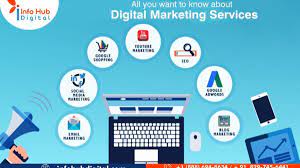
Online media marketing includes a range of channels, each with its own strengths:
- Search engine optimisation (SEO): Helps a website appear in relevant unpaid search results through useful content, sound site structure and a good user experience.
- Social media: Enables businesses to share content, respond to customers and build communities. Different platforms suit different audiences and types of content.
- Email marketing: Provides a direct way to share updates, useful information and offers with people who have chosen to hear from a business.
- Paid digital advertising: Can put a message in front of selected audiences through search, social media, video and other online placements.
- Content marketing: Uses articles, guides, videos, podcasts and other resources to inform an audience and demonstrate expertise.
A business does not need to use every channel. It is often more effective to focus on a small number that match its objectives and where its audience is active.
Create useful, consistent content
Content is at the heart of many online marketing activities. It can answer common questions, explain a service, share expertise or help customers make a decision. Useful content gives people a reason to pay attention and can build trust over time.
Plan content around audience needs rather than constantly promoting products. A balanced approach might include practical advice, customer stories, behind-the-scenes updates and occasional promotional messages. Keep the brand’s voice consistent, while adapting the format to each channel.
Consistency matters, but it does not mean publishing for the sake of it. A realistic schedule that can be maintained is more valuable than an ambitious plan that quickly falls away. Content should also be accessible: use clear language, descriptive headings, captions for video and alternative text for meaningful images.
Make the website part of the strategy
Marketing may bring people to a website, but the website needs to help them take the next step. Pages should load quickly, work well on mobile devices and make it easy to find important information. Clear navigation and straightforward calls to action can improve the experience for visitors.
Each campaign should lead to a relevant destination. For instance, an advert promoting a particular service should link to a page about that service, rather than sending visitors to a general homepage. The closer the connection between the message and the destination, the easier it is for people to act.
Measure results and keep improving
Tracking performance helps reveal what is working and where changes may be needed. Choose measures that relate to the original objectives. These could include website visits, search visibility, email sign-ups, enquiries, conversion rates or sales. Social media likes and views can be useful indicators, but they do not always show whether marketing is contributing to business goals.
Review results regularly and look for patterns. If a particular topic attracts engaged readers, consider developing it further. If an advert receives clicks but few enquiries, review the offer, audience or landing page. Testing one change at a time can make it easier to understand what has made a difference.
Market responsibly
Trust is essential in online marketing. Be honest about products and services, make sponsored content clear and avoid misleading claims. Respect people’s privacy and follow applicable data protection and marketing rules, particularly when collecting personal information or sending email campaigns.
Responsible marketing also means responding thoughtfully to feedback and being open about how customer information is used. A positive reputation is built through consistent behaviour, not just polished campaigns.
Conclusion
Online media marketing works best when it is planned around clear objectives and a genuine understanding of the audience. By choosing suitable channels, publishing useful content, improving the customer experience and measuring meaningful results, businesses can make their online activity more focused and effective. Start with a manageable plan, learn from the results and refine the approach over time.
Advantages of Online Media Marketing: Expanding Reach, Targeted Engagement, Cost Efficiency, Measurable Outcomes, Customer Interaction, and Agile Campaigns
- Reaches a wider audience
- Targets specific customer groups
- Often costs less than traditional advertising
- Results are easy to measure
- Builds customer engagement
- Campaigns can be adjusted quickly
Challenges of Online Media Marketing: Navigating Time, Cost, Competition, Delayed Results, and Rapid Negative Feedback
- It can be time-consuming to manage.
- Competition for attention is intense.
- Paid campaigns can become expensive.
- Results may take time to appear.
- Negative feedback can spread quickly.
Reaches a wider audience
Online media marketing enables businesses to reach a wider audience than many traditional channels. Through websites, search engines, social media and online advertising, a business can connect with potential customers across different regions and communities, at any time of day. With careful audience targeting, its message can reach people who are likely to be interested in its products or services, helping to build brand awareness and attract new customers.
Targets specific customer groups
Online media marketing allows businesses to target specific customer groups based on factors such as age, location, interests and online behaviour. This means promotional messages can be tailored to people who are more likely to find a product or service relevant, rather than shown to a broad audience. More precise targeting can make marketing budgets go further, improve engagement and help businesses build stronger connections with potential customers.
Often costs less than traditional advertising
Online media marketing often costs less than traditional advertising, such as television, radio or print campaigns. Businesses can set budgets to suit their needs, target specific audiences and adjust campaigns as they go, rather than paying for broad exposure that may not reach potential customers. Free or low-cost channels, including social media and email, can also help organisations build awareness and engage with customers without a large advertising budget.
Results are easy to measure
One of the key advantages of online media marketing is that results are easy to measure. Businesses can track metrics such as website visits, clicks, social media engagement, enquiries and sales to see how campaigns are performing. This makes it easier to understand what is working, identify areas for improvement and adjust marketing activity based on real data.
Builds customer engagement
Online media marketing helps businesses build customer engagement by creating opportunities for people to interact with a brand through social media, email, videos and other digital channels. Customers can ask questions, share feedback and respond to content, while businesses can reply directly and provide useful, timely information. These ongoing conversations help brands understand their audience, strengthen relationships and encourage lasting loyalty.
Campaigns can be adjusted quickly
One of the key advantages of online media marketing is that campaigns can be adjusted quickly in response to performance or changing circumstances. Businesses can update adverts, refine audience targeting, change their messaging or redirect their budget without waiting for printed materials to be replaced. By monitoring results as a campaign runs, they can identify what is working and make timely improvements, helping marketing activity stay relevant and use resources more effectively.
It can be time-consuming to manage.
Online media marketing can be time-consuming to manage, particularly when a business uses several channels. Creating content, planning posts, replying to comments and messages, monitoring campaigns and reviewing results all require regular attention. Without a clear schedule and dedicated resources, these tasks can take time away from other business priorities.
Competition for attention is intense.
Competition for attention is intense in online media marketing, with businesses, creators and advertisers all vying to be seen in crowded feeds and search results. As a result, even useful content can be overlooked, while paid advertising may become more expensive as more brands target the same audiences. Businesses need to understand what matters to their customers and offer clear, engaging and distinctive content, rather than relying on frequent posts or larger budgets alone.
Paid campaigns can become expensive.
Paid campaigns can become expensive, particularly when competition for popular keywords or audience attention is high. Costs may rise quickly if adverts run without clear budgets, careful targeting or regular performance checks. Businesses can also spend money on clicks that do not lead to enquiries or sales. Setting spending limits, monitoring results and adjusting campaigns helps reduce waste, but paid promotion still requires ongoing investment.
Results may take time to appear.
One drawback of online media marketing is that results may take time to appear. Building a loyal audience, improving search engine rankings and earning customers’ trust rarely happen overnight; they require consistent effort and useful, relevant content. Businesses may need to invest time and money for several months before seeing a noticeable increase in enquiries or sales, so it is important to set realistic expectations and track progress along the way.
Negative feedback can spread quickly.
Negative feedback can spread quickly through social media, review sites and online forums, reaching a large audience before a business has time to respond. A complaint that is ignored or handled poorly may damage trust and the brand’s reputation. Businesses should monitor their online channels, respond promptly and professionally, and aim to resolve concerns constructively rather than becoming defensive.