Digital Marketing and Online Marketing: A Practical Guide for Businesses
Digital marketing has become an essential part of how businesses reach customers, build trust and grow. From appearing in search results to sharing useful content on social media, it gives organisations a range of ways to connect with people online.
The terms digital marketing and online marketing are often used interchangeably. In most cases, both refer to promoting a business through internet-based channels. Digital marketing can also include technologies that do not rely on the internet, such as digital screens or some forms of mobile messaging. This article focuses on online marketing and the strategies businesses can use to make it more effective.
What does online marketing include?
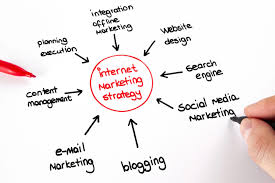
Online marketing brings together several channels and activities. The right mix depends on a business’s audience, goals and budget.
- Search engine optimisation (SEO): Improving a website so it can be found more easily in unpaid search results.
- Paid search advertising: Paying to display adverts for relevant searches, often through a pay-per-click model.
- Content marketing: Publishing useful articles, guides, videos or other material to inform and engage an audience.
- Social media marketing: Using social platforms to share content, build relationships and promote products or services.
- Email marketing: Sending relevant updates and offers to people who have chosen to receive them.
- Affiliate and partnership marketing: Working with other businesses or publishers to reach potential customers.
Why is digital marketing important?
Online channels can help businesses reach people at different stages of their decision-making journey. Someone might first discover a brand through a search, learn more by reading an article, and later make an enquiry after receiving an email or seeing a social media post.
Digital marketing can also make it easier to measure activity. Businesses can track indicators such as website visits, enquiries, purchases and email sign-ups. These insights help teams understand what is working and where improvements may be needed. However, numbers should be considered in context: a high volume of visits is not necessarily valuable if those visitors are unlikely to become customers.
Start with clear goals
Effective marketing begins with a clear idea of what it should achieve. A business might want to increase awareness, attract more qualified website visitors, generate enquiries, encourage repeat purchases or support the launch of a new service.
Each goal calls for different measures. For example, a campaign focused on awareness may look at reach and engagement, while a lead-generation campaign may focus on enquiries and their quality. Defining the goal first helps a business choose suitable channels and assess results more fairly.
Understand your audience
Marketing is more useful when it reflects the needs and questions of the people it is intended to reach. Businesses can build this understanding through customer conversations, feedback, search data and analysis of existing enquiries and sales.
Useful questions include:
- What problem is the customer trying to solve?
- What information do they need before making a decision?
- Which channels do they use to research products or services?
- What concerns might prevent them from getting in touch or buying?
Clear, relevant communication is often more effective than trying to be present on every platform. Choose channels that suit the audience and the resources available to manage them well.
Build a strong website foundation
A business website is often where interested visitors go to learn more. It should explain what the business offers, who it helps and how to take the next step. Pages should be easy to navigate, work well on mobile devices and load reliably.
Helpful website content answers real customer questions. Product and service pages should provide accurate details, while contact forms and calls to action should make it clear what visitors can do next. Regular checks can also identify broken links, outdated information and technical issues that may affect the user experience.
Use content and SEO together
Search engine optimisation and content marketing often work best as part of the same plan. SEO helps a business understand how people search, while useful content gives those people a reason to visit and stay on the site.
Rather than writing solely to include popular search terms, focus on producing accurate, original material that genuinely helps readers. Use descriptive page titles and headings, organise information clearly and link to relevant pages where it is useful. Search visibility can take time to develop, so SEO is generally a long-term activity rather than a quick fix.
Make paid campaigns measurable
Paid advertising can help businesses reach a specific audience or appear for selected searches. Before launching a campaign, decide what action the advert should encourage and how success will be measured. Set a sensible budget, write clear advert copy and direct visitors to a page that matches the promise of the advert.
Review campaign performance regularly, but avoid making decisions based on a single figure. Consider the cost of generating a lead or sale, the quality of the resulting enquiries and whether the campaign is contributing to wider business goals.
Earn trust through responsible marketing
Trust is central to effective online marketing. Be honest about products and services, make pricing and important conditions easy to understand, and avoid misleading claims. When collecting personal information or sending marketing communications, follow applicable UK data protection and privacy rules, including requirements relating to consent and electronic marketing.
Businesses should also make it straightforward for people to manage their preferences and unsubscribe from marketing emails. Respectful communication can help protect both customer relationships and a brand’s reputation.
Measure, learn and improve
Digital marketing is not a one-off task. Monitor a small set of meaningful measures, compare results with the original goals and use what you learn to improve future activity. A change in performance may have several causes, so consider factors such as seasonality, competition, website changes and campaign spend before drawing conclusions.
Testing can help answer practical questions: does a different page layout make the offer clearer? Does a more specific advert attract better-qualified enquiries? Small, carefully measured improvements can build into a stronger marketing approach over time.
Conclusion
Online marketing gives businesses many ways to reach and support customers, but success does not come from using every channel at once. It comes from setting clear goals, understanding the audience, providing useful information and reviewing results with care. With a considered strategy and consistent effort, digital marketing can become a valuable part of sustainable business growth.
Essential Tips for Effective Digital Marketing: A Guide for UK Businesses
- Set clear goals before launching campaigns.
- Use keywords your audience actually searches for.
- Create useful, mobile-friendly content.
- Test different adverts and compare results.
- Track conversions, not just clicks.
- Follow UK data protection and cookie rules.
Set clear goals before launching campaigns.
Set clear goals before launching any digital marketing campaign so you know what success looks like and how to measure it. Decide whether you want to increase brand awareness, attract more relevant website visitors, generate enquiries or boost sales. Then choose measurable targets and suitable performance indicators, such as qualified leads or conversion rates. Clear goals help you select the right channels, use your budget wisely and refine your campaign based on meaningful results.
Use keywords your audience actually searches for.
Use keywords your audience actually searches for by finding out how people describe their needs, questions and problems online. Search suggestions, customer enquiries and keyword research tools can reveal the phrases they use. Choose terms that are relevant to your products or services, then include them naturally in useful website content, page titles and headings. Avoid forcing keywords into text: clear, helpful content is more valuable to readers and search engines alike.
Create useful, mobile-friendly content.
Create content that answers your audience’s questions and offers practical value, whether it’s a clear service guide, a helpful article or a short video. Make it mobile-friendly by using concise paragraphs, descriptive headings, readable text and pages that load quickly and display well on smaller screens. Useful, easy-to-read content gives visitors a better experience and can encourage them to explore your website and take the next step.
Test different adverts and compare results.
Test different adverts to find out which messages resonate most with your audience. Try changing one element at a time, such as the headline, image, offer or call to action, and compare results against a clear goal, such as clicks, enquiries or sales. Give each version enough time and budget to gather useful data, then use what you learn to refine future campaigns.
Track conversions, not just clicks.
Track conversions, not just clicks. Clicks can show that an advert or link has caught someone’s attention, but they don’t tell you whether that interest led to a valuable action. Measure outcomes such as purchases, enquiries, bookings or newsletter sign-ups, and compare them with your marketing spend. This helps you see which channels are genuinely contributing to your business goals and where your budget may be better used.
Follow UK data protection and cookie rules.
Follow UK data protection and cookie rules whenever you collect or use personal information for online marketing. Be transparent about what data you gather, why you need it and how people can exercise their rights. For non-essential cookies and similar tracking technologies, obtain valid consent before using them, and make it just as easy for visitors to reject or withdraw consent as to accept it. Keep your privacy and cookie notices clear and up to date, and review your practices against current UK requirements, including UK GDPR, the Data Protection Act 2018 and PECR.