Search Engine Optimisation Services: A Practical Guide for Businesses
Search engine optimisation (SEO) helps people find your website when they search online for products, services or information. A well-planned SEO strategy can improve your visibility in search results, attract relevant visitors and make it easier for potential customers to take the next step.
SEO is not a quick fix or a guarantee of a particular ranking. It is an ongoing process that combines technical improvements, useful content and a better experience for visitors. Professional SEO services help businesses plan and manage that work.
What do SEO services include?
SEO services can vary depending on a business’s goals, website and industry. A typical programme may include the following areas.
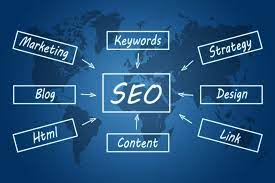
SEO audit and strategy
An SEO audit assesses how well a website can be found, understood and used. It may review technical issues, page content, site structure, mobile usability and existing search performance. The findings can then inform a strategy, helping to prioritise work according to its likely value and the resources available.
Keyword and search-intent research
Keyword research explores the words and phrases people use when looking for information or services. Good research considers more than search volume: it also looks at the reason behind a search. Someone comparing options, for example, may need different information from someone ready to make an enquiry.
Understanding search intent helps shape pages that answer users’ questions and match what they are trying to achieve.
On-page optimisation
On-page SEO improves individual pages so that visitors and search engines can understand them more easily. This may involve refining page titles, headings, descriptions, internal links and image text, as well as improving the clarity and usefulness of the content.
Effective optimisation should feel natural to the reader. Repeating keywords unnecessarily can make content harder to read and does not create a good user experience.
Technical SEO
Technical SEO focuses on the foundations of a website. Work may include improving page speed, ensuring the site works well on mobile devices, fixing broken links, reviewing redirects and helping search engines discover and index important pages.
Technical requirements depend on the website. An SEO specialist may work with developers or a website provider to identify issues and implement suitable changes.
Content planning and creation
Useful, trustworthy content gives people a reason to visit and can help a website appear for relevant searches. SEO content services may include planning new pages, improving existing copy, creating articles or guides, and organising content so that it is easy to navigate.
Content should be written for people first. It needs to be accurate, helpful and appropriate to the subject, with clear information about the business where relevant.
Local SEO
Local SEO helps a business appear in searches connected with a particular area. It may include improving a business profile on relevant platforms, keeping contact details consistent across the web, gathering and responding to customer reviews, and creating pages that explain the areas or communities served.
Local optimisation can be especially useful for businesses that serve customers in person or operate within a defined region.
Link and reputation development
Links from other reputable websites can help people discover a business and provide useful context about its expertise. Ethical link development focuses on earning relevant mentions through valuable content, partnerships and legitimate business activity.
Be cautious of services that promise large numbers of links quickly or rely on manipulative tactics. These approaches may put a website’s search visibility at risk.
How SEO services can benefit a business
- Greater visibility: Improved pages may appear for more relevant searches.
- More relevant visitors: Targeting the right topics can attract people who are more likely to need what the business offers.
- A better website experience: Clear navigation, useful content and strong mobile usability benefit visitors as well as search performance.
- Long-term value: SEO improvements can continue to support a website over time, although results depend on competition, changes to search engines and ongoing maintenance.
- Better insight: Reporting can help businesses understand how people find and use their website.
How to choose an SEO provider
Choosing an SEO provider is easier when expectations are clear. Look for a team that explains its recommendations in straightforward language, takes time to understand your business and sets realistic objectives.
Before appointing a provider, consider asking:
- What work is included in the service?
- How will priorities be chosen?
- What information will be included in reports?
- How will the provider work with your internal team or developers?
- How does the provider approach links and content?
- What will success look like, beyond rankings alone?
Be wary of guaranteed rankings, vague reports or pressure to make significant changes without a clear explanation. Search results are influenced by many factors, and no provider can control every outcome.
Measuring SEO performance
SEO performance should be assessed against business goals, not just a single keyword or ranking. Useful measures may include organic visits, visibility for relevant searches, enquiries, sales, engagement with key pages and the quality of leads. The right measures depend on what the website is designed to achieve.
Regular reporting helps identify what is working and where further attention may be needed. It also allows a strategy to adapt as the business, audience and search landscape change.
SEO is an ongoing investment
Search engine optimisation is most effective when treated as a continuing part of digital marketing. A strong start often involves understanding the website, fixing important issues and creating a clear plan. From there, ongoing improvements to content, technical performance and user experience can help a business build sustainable search visibility.
With realistic expectations and a focus on serving visitors, SEO services can help make a business easier to find and its website more useful to the people it wants to reach.
Top 5 Tips for Choosing Effective SEO Services in the UK
- Choose SEO services with a clear strategy and measurable goals.
- Check for experience in your industry and market.
- Prioritise technical SEO, useful content and quality links.
- Avoid providers promising instant rankings or guaranteed results.
- Review reports regularly and track organic traffic and conversions.
Choose SEO services with a clear strategy and measurable goals.
Choose SEO services that begin with a clear strategy tailored to your business, audience and priorities, rather than a one-size-fits-all list of tasks. Agree measurable goals from the outset, such as increasing relevant organic visits, enquiries or sales, and ask for regular reports that show progress against them. Clear objectives make it easier to understand what the work is achieving, adjust the approach when needed and ensure SEO supports your wider business goals.
Check for experience in your industry and market.
When choosing an SEO provider, check whether they have experience in your industry and target market. They may already understand your customers’ search habits, local competition, seasonal trends and any regulations that affect how your services can be promoted. Ask for relevant examples or case studies, and find out what the provider learned from that work. Experience is valuable, but a good agency should still research your business rather than rely on a one-size-fits-all approach.
Prioritise technical SEO, useful content and quality links.
Prioritise the foundations that support sustainable search visibility: technical SEO, useful content and quality links. A technically sound website is easier for search engines to crawl and for visitors to use, while clear, relevant content answers people’s questions and meets their needs. Earn links from reputable, relevant websites through genuinely valuable resources and relationships, rather than relying on shortcuts. Together, these elements help build a stronger, more trustworthy presence in search results over time.
Avoid providers promising instant rankings or guaranteed results.
Be cautious of SEO providers promising instant rankings or guaranteed results. Search engines use complex, frequently changing systems, and no provider can control exactly where a website will appear or how quickly it will get there. A trustworthy SEO specialist will explain what work they recommend, set realistic expectations and report on meaningful progress, such as relevant traffic and enquiries, rather than promising a specific position.
Review reports regularly and track organic traffic and conversions.
Review your SEO reports regularly to understand whether your efforts are bringing the right people to your website. Track organic traffic alongside meaningful conversions, such as enquiries, bookings or sales, so you can see not only how many visitors arrive from search engines, but whether they take valuable action. Comparing these results over time can reveal what is working, highlight pages that need attention and help guide your next steps.