What Does Online Marketing Include?
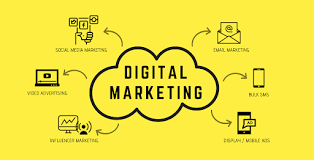
Online marketing includes the strategies and activities businesses use to reach people, build relationships and promote products or services through the internet. It can help organisations raise awareness, attract potential customers and encourage existing customers to return. The right mix depends on a business’s goals, audience and budget.
Search engine optimisation
Search engine optimisation (SEO) is the practice of improving a website so that it is easier to find in relevant search results. It may involve researching the phrases people use, creating useful content, improving page structure and making sure a site works well on mobile devices. SEO is usually a long-term activity rather than a quick way to gain visibility.
Paid search advertising
Paid search adverts can appear alongside search results when someone looks for particular terms. Businesses choose keywords, set a budget and create adverts that lead to relevant pages on their website. Campaigns need regular monitoring so that spending is focused on useful results.
Content marketing
Content marketing involves producing and sharing helpful or interesting material for a target audience. This might include articles, guides, videos, podcasts, case studies or email newsletters. Strong content can answer common questions, demonstrate expertise and support other marketing activities, including SEO and social media.
Social media marketing
Social media marketing includes sharing content, responding to comments and building a community on platforms used by a business’s audience. It can be organic, paid or a combination of both. Each platform has its own audience and style, so businesses should choose channels that suit their objectives rather than trying to be everywhere at once.
Email marketing
Email marketing allows businesses to communicate directly with people who have chosen to receive their messages. Newsletters, product updates and tailored offers are common examples. Effective email marketing uses relevant content, clear subject lines and appropriate consent, while giving recipients an easy way to unsubscribe.
Display and video advertising
Display adverts include image-based promotions shown on websites and apps. Video advertising can appear on video platforms, social networks and other online services. These formats can help introduce a brand to new audiences or remind people about a product they have previously viewed.
Affiliate and influencer marketing
Affiliate marketing involves partners promoting a business in return for a commission on qualifying sales or other agreed actions. Influencer marketing involves working with creators whose audiences may be interested in a brand’s products or services. Clear agreements and transparent disclosures are important in both cases.
Website optimisation and conversion
Online marketing does not stop when someone clicks an advert or link. A website should make it easy for visitors to find information and take the next step, whether that is making a purchase, requesting a quote or signing up to a newsletter. Improving page speed, navigation, forms and calls to action can help turn visits into meaningful outcomes.
Analytics and measurement
Analytics help businesses understand how people find and use their online content. Measures might include website visits, enquiries, sales, email sign-ups or the cost of gaining a customer. Tracking performance makes it easier to see what is working and where campaigns may need to change. Data should be collected and used in line with relevant privacy and data protection requirements.
Bringing the different channels together
Online marketing works best when its different parts support one another. For example, an article may attract visitors through search, be shared on social media and feature in an email newsletter. A clear strategy helps keep messaging consistent, sets priorities and gives each activity a purpose.
In short, online marketing includes a broad range of channels, from SEO and paid advertising to content, email and social media. Businesses do not need to use every option. By understanding their audience, setting clear goals and measuring results, they can choose the activities most likely to support their growth.
7 Essential Tips for Effective Online Marketing Success
- Define your target audience before choosing channels.
- Create useful content that solves customer problems.
- Optimise your website for search engines.
- Use social media platforms your audience prefers.
- Build an email list and send relevant updates.
- Track results and adjust campaigns regularly.
- Set a clear budget and test small campaigns first.
Define your target audience before choosing channels.
Define your target audience before choosing online marketing channels. Consider who your customers are, what they need, where they spend time online and how they prefer to communicate. These insights will help you focus your budget and effort on the platforms most likely to reach the right people, rather than spreading your resources too thinly.
Create useful content that solves customer problems.
Create useful content that solves your customers’ problems by answering their questions and offering practical advice. This could take the form of a how-to guide, a helpful article, a short video or a clear FAQ page. Focus on the topics your audience genuinely cares about, and make the information accurate, easy to understand and simple to act on. Useful content builds trust, demonstrates your expertise and can help attract people who are looking for solutions your business provides.
Optimise your website for search engines.
Optimising your website for search engines helps potential customers find your business when they search online for relevant products, services or advice. Use clear, helpful content that reflects the terms your audience is likely to search for, organise pages with descriptive headings and titles, and make sure your website loads quickly and works well on mobile devices. These improvements can strengthen your visibility in search results and make it easier for visitors to find what they need.
Use social media platforms your audience prefers.
Choose the social media platforms your audience already uses, rather than trying to maintain a presence everywhere. Find out where your customers spend their time and what kind of content they enjoy, then focus your efforts on those channels. This makes it easier to share relevant posts, encourage genuine engagement and use your marketing time and budget effectively.
Build an email list and send relevant updates.
Build an email list by inviting people to subscribe through your website, at checkout or when they engage with your business. Send relevant updates that offer genuine value, such as useful advice, new product information or occasional special offers, and tailor messages to subscribers’ interests where possible. Always get the appropriate permission, keep a regular but considerate sending schedule, and make it easy for people to unsubscribe.
Track results and adjust campaigns regularly.
Track the results of your online marketing campaigns regularly to understand what is working and where improvements are needed. Monitor useful measures such as website visits, enquiries, sales and engagement, then use these insights to refine your content, targeting or budget. Small, ongoing adjustments can help campaigns stay relevant and make better use of your marketing resources.
Set a clear budget and test small campaigns first.
Set a clear budget for your online marketing before launching a campaign, and decide how you’ll measure success. Start with small tests across a few channels or audiences to see what generates the best response without overspending. Use the results to refine your approach, then gradually invest more in the tactics that perform well.