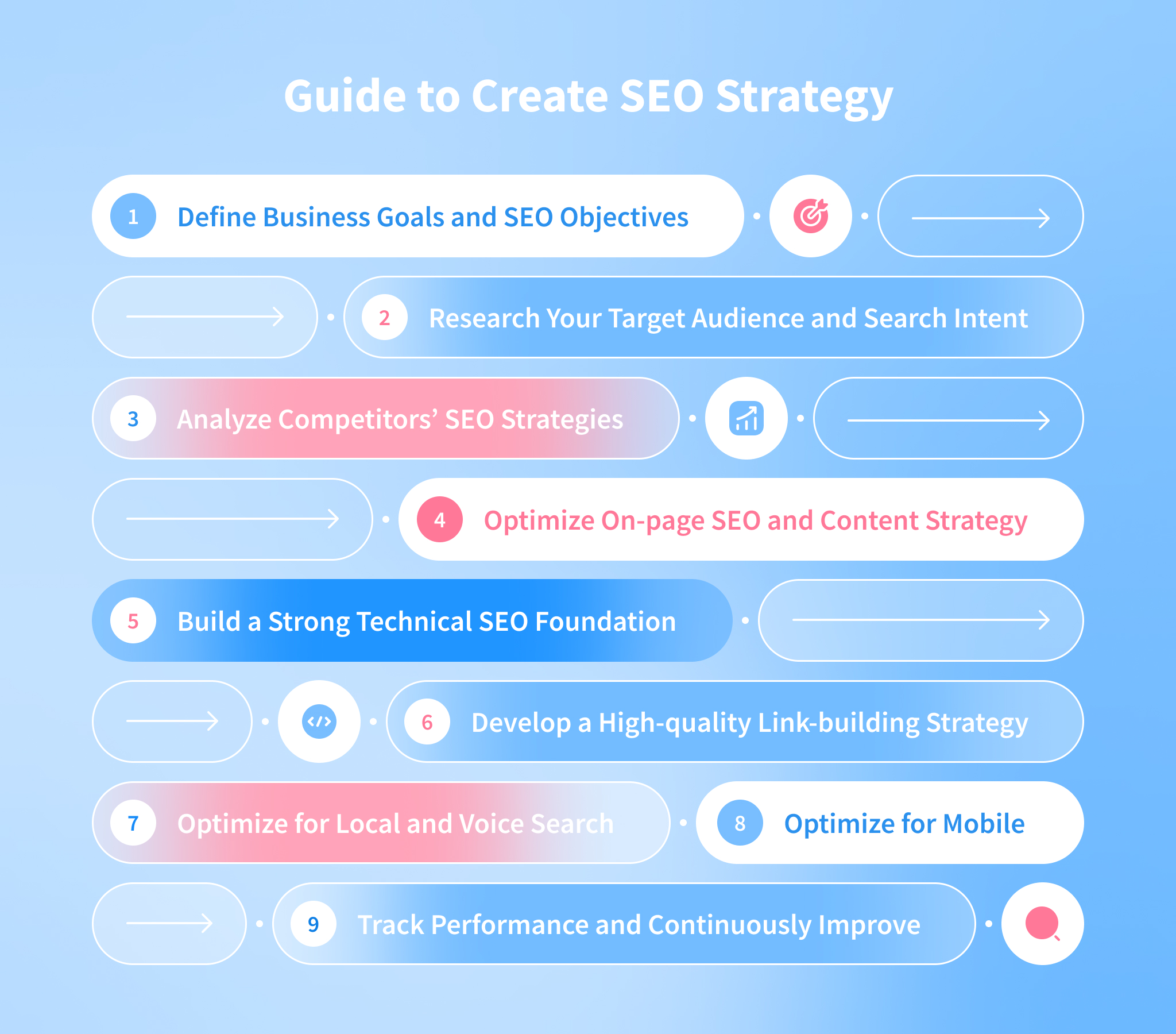
The Importance of SEO Strategy in Digital Marketing
In the ever-evolving landscape of digital marketing, Search Engine Optimization (SEO) remains a crucial component for businesses looking to enhance their online visibility and reach their target audience effectively. A well-crafted SEO strategy can significantly impact a brand’s online presence and ultimately drive organic traffic to its website.
Understanding SEO
SEO is the practice of optimizing a website’s content and structure to improve its ranking on search engine results pages (SERPs). By incorporating relevant keywords, creating high-quality content, and ensuring a user-friendly experience, businesses can increase their chances of appearing at the top of search results for relevant queries.
The Benefits of an Effective SEO Strategy
Implementing a robust SEO strategy offers various benefits, including:
- Increased Visibility: By ranking higher on search engine results pages, businesses can attract more organic traffic and improve their online visibility.
- Enhanced User Experience: Optimizing website content and structure not only benefits search engines but also enhances the overall user experience, leading to higher engagement and conversions.
- Cost-Effective Marketing: Compared to traditional advertising methods, investing in SEO can provide long-term benefits at a lower cost, making it a cost-effective marketing strategy.
- Builds Credibility: Appearing at the top of search results instils trust and credibility among users, positioning the brand as an authority in its industry.
Key Elements of an Effective SEO Strategy
To develop a successful SEO strategy, businesses should focus on the following key elements:
- Keyword Research: Identifying relevant keywords that align with your business offerings and target audience is essential for optimizing your website’s content.
- On-Page Optimization: Optimizing meta tags, headings, images, and internal linking structure can improve your website’s visibility to search engines.
- Quality Content: Creating informative and engaging content that resonates with your audience not only attracts visitors but also encourages them to stay longer on your site.
- Mobile-Friendly Design: With the increasing use of mobile devices, ensuring your website is mobile-responsive is crucial for both user experience and SEO rankings.
In Conclusion
An effective SEO strategy plays a vital role in helping businesses achieve their digital marketing goals by driving organic traffic, improving online visibility, and enhancing user experience. By prioritizing SEO best practices and staying abreast of industry trends, businesses can stay ahead in the competitive digital landscape.
Top 9 Advantages of Implementing an SEO Strategy in Digital Marketing
- Increases online visibility
- Drives organic traffic to the website
- Enhances user experience
- Builds brand credibility and trust
- Cost-effective marketing strategy
- Targets specific audience segments
- Improves website usability and performance
- Boosts brand awareness and recognition
- Provides long-term sustainable results
Five Key Challenges of SEO Strategy in Digital Marketing
- Time-Consuming
- Constant Algorithm Changes
- Competitive Landscape
- Uncertain Results
- Dependency on External Factors
Increases online visibility
By implementing a well-crafted SEO strategy in digital marketing, businesses can significantly boost their online visibility. By ranking higher on search engine results pages, companies can attract a larger audience and increase their brand’s exposure to potential customers actively searching for related products or services. This increased online visibility not only enhances brand awareness but also improves the chances of driving organic traffic to the website, ultimately leading to higher engagement and potential conversions.
Drives organic traffic to the website
One significant advantage of implementing a robust SEO strategy in digital marketing is its ability to drive organic traffic to the website. By optimising website content and structure to align with relevant keywords and search queries, businesses can attract users who are actively seeking their products or services. This organic traffic not only increases visibility but also enhances the quality of website visitors, leading to higher engagement and potential conversions. Overall, leveraging SEO to drive organic traffic is a cost-effective and sustainable way for businesses to expand their online presence and reach their target audience effectively.
Enhances user experience
By prioritising user experience as a key pro of SEO strategy in digital marketing, businesses can create websites that are not only optimised for search engines but also designed to provide a seamless and engaging experience for visitors. By focusing on factors such as site speed, mobile responsiveness, intuitive navigation, and quality content, businesses can enhance user satisfaction and encourage longer dwell times on their website. This, in turn, can lead to higher engagement, increased conversions, and ultimately contribute to building a loyal customer base.
Builds brand credibility and trust
Building brand credibility and trust is a significant advantage of implementing a strong SEO strategy in digital marketing. By consistently appearing at the top of search engine results pages for relevant queries, businesses can establish themselves as authoritative sources within their industry. This visibility not only enhances brand recognition but also instils trust among users, leading to increased credibility and a positive perception of the brand. Ultimately, building brand credibility through SEO helps foster long-term relationships with customers and sets the foundation for sustainable business growth.
Cost-effective marketing strategy
One significant advantage of incorporating SEO strategy into digital marketing efforts is its cost-effectiveness. Unlike traditional advertising methods that often require a substantial financial investment, SEO can provide long-term benefits at a lower cost. By optimising website content and structure to improve search engine rankings, businesses can attract organic traffic without the need for continuous spending on paid advertisements. This makes SEO an attractive option for businesses looking to maximise their online visibility and reach their target audience without breaking the bank.
Targets specific audience segments
One significant advantage of implementing an SEO strategy in digital marketing is its ability to target specific audience segments effectively. By conducting thorough keyword research and optimising website content based on these insights, businesses can tailor their online presence to attract the right audience. This targeted approach not only increases the chances of reaching potential customers who are actively searching for relevant products or services but also enhances engagement and conversion rates by delivering content that resonates with specific demographics or interests. Ultimately, targeting specific audience segments through SEO helps businesses maximise their marketing efforts and connect with the most valuable prospects in the digital space.
Improves website usability and performance
Enhancing website usability and performance is a significant advantage of implementing an SEO strategy in digital marketing. By focusing on optimising site structure, improving loading speed, and creating user-friendly interfaces, businesses can not only boost their search engine rankings but also provide visitors with a seamless and engaging browsing experience. A well-optimised website that loads quickly and is easy to navigate not only satisfies search engine algorithms but also keeps users on the site longer, increasing the likelihood of conversions and repeat visits. Ultimately, by prioritising website usability and performance through SEO practices, businesses can cater to both search engines and users, leading to improved overall digital marketing effectiveness.
Boosts brand awareness and recognition
An essential advantage of implementing a robust SEO strategy in digital marketing is its ability to significantly boost brand awareness and recognition. By optimising website content with relevant keywords and improving search engine rankings, businesses can enhance their online visibility, making it easier for potential customers to discover and engage with their brand. Increased visibility in search results not only drives organic traffic but also helps establish the brand as a credible authority in its industry, ultimately leading to improved brand recognition and loyalty among target audiences.
Provides long-term sustainable results
One significant advantage of incorporating SEO strategy into digital marketing efforts is its ability to deliver long-term sustainable results. By investing in SEO practices such as keyword research, content optimization, and website structuring, businesses can establish a strong online presence that continues to yield organic traffic and visibility over time. Unlike some short-term marketing tactics, a well-executed SEO strategy can provide lasting benefits by improving search engine rankings and driving consistent traffic to the website, ultimately contributing to sustained growth and success in the digital realm.
Time-Consuming
Implementing and maintaining a successful SEO strategy can be a daunting task due to its time-consuming nature. Businesses, especially those with limited resources, may find it challenging to allocate the necessary time and effort needed to effectively manage their SEO initiatives. From conducting keyword research to regularly updating website content and monitoring performance metrics, the demands of SEO can strain resources and divert attention from other essential business activities. As a result, the time investment required for a comprehensive SEO strategy is often cited as a significant drawback for businesses seeking to enhance their online presence through organic search visibility.
Constant Algorithm Changes
One significant drawback of SEO strategy in digital marketing is the constant algorithm changes implemented by search engines. These frequent evolutions can pose a challenge for businesses and marketers, as staying updated with the latest trends and updates in SEO practices becomes increasingly difficult. The dynamic nature of search engine algorithms requires continuous adaptation and adjustment of strategies to maintain or improve search rankings, adding complexity to the already intricate world of digital marketing.
Competitive Landscape
In the realm of digital marketing, one notable drawback of SEO strategy is the highly competitive landscape it entails. With a multitude of businesses actively striving to secure top search rankings, distinguishing oneself from the crowd and gaining visibility can prove to be a formidable challenge. The intense competition in the SEO arena necessitates businesses to continuously refine their strategies, produce high-quality content, and adapt to evolving search engine algorithms in order to maintain a competitive edge and effectively reach their target audience.
Uncertain Results
In the realm of digital marketing, one notable drawback of SEO strategy is the uncertainty surrounding its outcomes. Unlike some marketing tactics that yield immediate results, SEO efforts do not offer a guarantee of instant success. It often requires a considerable amount of time and consistent effort to observe substantial enhancements in search engine rankings and organic traffic. This unpredictability can pose a challenge for businesses seeking quick wins or immediate returns on their marketing investments, highlighting the patience and persistence required when implementing SEO strategies.
Dependency on External Factors
An inherent drawback of implementing an SEO strategy in digital marketing is the dependency on external factors. Changes in search engine policies or algorithms can significantly influence the efficacy of an SEO approach, resulting in fluctuations in website performance. This unpredictability poses a challenge for businesses relying solely on SEO for online visibility and underscores the importance of diversifying digital marketing efforts to mitigate the risks associated with external variables beyond their control.