Digital Marketing: An Overview
Digital marketing is the promotion of products, services and brands through online channels. It helps organisations reach people where they spend much of their time: on search engines, websites, social media platforms, email and mobile apps. Whether a business is looking to build awareness, attract visitors or encourage sales, digital marketing offers a range of ways to connect with an audience.
Why digital marketing matters
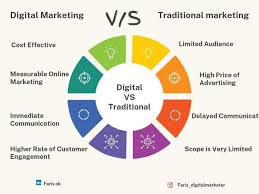
Unlike many traditional forms of advertising, digital marketing can be measured in detail. Businesses can see how people find their website, which content they engage with and whether they take a desired action. This makes it easier to understand what is working and adjust campaigns accordingly.
Digital channels can also support more targeted communication. A campaign can be tailored to a particular audience, location or stage in the customer journey. The right approach depends on the organisation’s goals, budget and audience.
Key areas of digital marketing
Search engine optimisation
Search engine optimisation (SEO) is the practice of improving a website so that it can appear more prominently in relevant search results. It includes creating useful content, organising pages clearly and ensuring that a site works well on different devices. SEO is a long-term activity: results can take time, but strong organic visibility can help attract visitors without paying for every click.
Content marketing
Content marketing involves creating and sharing useful, relevant material to attract and engage an audience. This might include articles, guides, videos, podcasts, case studies or downloadable resources. Effective content answers real questions and supports a wider marketing strategy, rather than simply promoting a product or service.
Social media marketing
Social media marketing uses platforms such as Instagram, LinkedIn, TikTok and Facebook to build awareness, share content and interact with customers. Each platform has its own audience and style, so businesses should choose channels that suit their objectives rather than trying to be everywhere at once. Social media can also include paid advertising, which allows campaigns to reach selected audiences.
Pay-per-click advertising
Pay-per-click (PPC) advertising allows businesses to place paid adverts on search engines and other digital platforms. Advertisers are generally charged when someone clicks on an advert. PPC can provide visibility quickly, but it needs careful planning, relevant landing pages and ongoing monitoring to make the most of the budget.
Email marketing
Email marketing enables organisations to communicate directly with people who have chosen to receive their messages. Newsletters, product updates and tailored offers can help build relationships and encourage repeat visits or purchases. Useful, well-timed emails are more likely to earn attention than messages sent too frequently or without a clear purpose.
Affiliate and influencer marketing
Affiliate marketing rewards partners for generating referrals or sales, while influencer marketing involves working with people who have established audiences. Both can help brands reach new potential customers. Clear agreements, suitable partners and transparent disclosure are important to maintaining trust.
Building a digital marketing strategy
A successful strategy begins with clear objectives. These might include increasing brand awareness, generating enquiries, growing online sales or retaining existing customers. Goals should be specific enough to measure and realistic in relation to the available resources.
- Understand the audience: Research customers’ needs, interests, behaviours and preferred channels.
- Set measurable objectives: Decide what success looks like and how it will be assessed.
- Choose suitable channels: Focus on the platforms and formats most likely to reach the intended audience.
- Create relevant content: Provide clear, useful information that supports the audience and the organisation’s goals.
- Measure and refine: Review performance regularly and make changes based on evidence.
Measuring performance
Digital marketing metrics help show whether activity is achieving its intended results. Common measures include website visits, search rankings, engagement, email open and click-through rates, advertising cost per click, conversion rates and return on investment. The most useful measures depend on the objective: a campaign designed to build awareness should not be judged in exactly the same way as one intended to generate sales.
Data should be interpreted in context. A rise in website traffic, for example, is not necessarily valuable if those visitors are unlikely to become customers. Regular analysis can reveal where people are dropping out, which messages perform well and where budgets may be better spent.
Privacy, accessibility and trust
Responsible digital marketing respects people’s privacy and follows applicable laws and platform rules. Organisations should be transparent about how they collect and use personal data, obtain consent where required and give people clear choices about marketing communications. They should also make content accessible, using clear language, readable layouts and appropriate text alternatives for images.
Trust takes time to build. Accurate claims, transparent advertising and prompt, thoughtful responses to customers help support lasting relationships. In the UK, businesses should also consider relevant data protection and advertising requirements when planning their activity.
How digital marketing is changing
Digital marketing continues to evolve as technology and customer expectations change. Automation and artificial intelligence can assist with tasks such as analysing data, organising campaigns and generating ideas, but human judgement remains important. Businesses need to check automated outputs for accuracy, relevance and tone.
Search behaviour, social platforms and privacy expectations also continue to shift. A flexible strategy, grounded in a good understanding of customers, is more sustainable than relying on a single platform or short-lived trend.
Conclusion
Digital marketing brings together a range of channels and techniques for reaching people online. Its effectiveness depends not on using every available platform, but on choosing the right ones, communicating something useful and measuring progress against clear goals. With a considered strategy and a willingness to learn, organisations can build stronger relationships with their audiences and make better-informed marketing decisions.
9 Essential Tips for an Effective Digital Marketing Strategy
- Set clear goals before choosing channels.
- Know your audience and their needs.
- Build a useful, mobile-friendly website.
- Use SEO to improve search visibility.
- Share valuable content consistently.
- Choose social platforms your audience uses.
- Use email to nurture customer relationships.
- Track results with relevant metrics.
- Test, learn and refine your approach.
Set clear goals before choosing channels.
Set clear goals before choosing digital marketing channels. Decide what you want to achieve—such as increasing brand awareness, generating enquiries, growing online sales or encouraging repeat business—and define how you will measure success. Clear objectives help you choose the channels and content that best suit your audience, focus your budget and assess whether your efforts are delivering results.
Know your audience and their needs.
Knowing your audience and their needs is the foundation of effective digital marketing. Take time to understand who your customers are, what they value, the challenges they face and where they spend time online. Use research, customer feedback and website analytics to shape relevant content and choose the channels most likely to reach them. When your marketing reflects what matters to your audience, it is more likely to earn their attention, build trust and encourage meaningful action.
Build a useful, mobile-friendly website.
A useful, mobile-friendly website gives people a clear and convenient way to learn about your business, wherever they are. Make sure pages load quickly, text is easy to read on smaller screens and navigation is simple to use. Include helpful, up-to-date information and clear next steps, such as contacting you, making a booking or buying a product. A well-designed website can improve the visitor experience and support your wider digital marketing efforts.
Use SEO to improve search visibility.
Use search engine optimisation (SEO) to help your website appear more prominently in relevant search results. Start by researching the terms your audience is likely to use, then create useful, well-structured content that answers their questions. Clear page titles, descriptive headings, fast loading times and a mobile-friendly design can also improve the experience for visitors and search engines. SEO takes time, so review your performance regularly and refine your approach as you learn which pages and topics attract the right audience.
Share valuable content consistently.
Share valuable content consistently to give your audience a reason to return and engage with your brand. Focus on material that answers genuine questions, offers practical advice or provides a fresh perspective, and publish it at a steady, manageable pace. Consistency helps build trust and recognition over time, while useful content can also support your visibility in search results and give people something worthwhile to share.
Choose social platforms your audience uses.
Choose social platforms your audience already uses, rather than trying to maintain a presence on every channel. Research where your customers spend time and how they prefer to engage, then focus on the platforms that best suit your goals and content. A thoughtful, consistent presence on a few relevant channels is often more effective than spreading your resources too thinly.
Use email to nurture customer relationships.
Use email marketing to nurture customer relationships by sending useful, relevant messages at the right time. A welcome email, helpful advice or a thoughtful update can keep your brand familiar and show customers that you understand their needs. Segment your audience where appropriate, make it easy to manage preferences or unsubscribe, and focus on providing value rather than sending frequent sales pitches. Over time, consistent and considerate communication can build trust, encourage repeat visits and strengthen customer loyalty.
Track results with relevant metrics.
Track results using metrics that relate directly to your marketing goals. For example, measure website visits and search visibility when building awareness, or enquiries, conversion rates and sales when aiming to generate business. Review the data regularly to see what is working, identify where people may be dropping off and make informed adjustments. Focus on meaningful outcomes rather than numbers that look impressive but offer little insight.
Test, learn and refine your approach.
Test, learn and refine your approach by treating each digital marketing activity as an opportunity to discover what works best for your audience. Try different headlines, content formats, channels or calls to action, then review the results against clear objectives. Use those insights to improve future campaigns, while allowing enough time and data to make a fair comparison. Small, evidence-led adjustments can help you use your budget more effectively and keep your marketing relevant as customer needs change.