Online Marketing: What It Is and How It Works
Online marketing is the promotion of products, services or brands through the internet. Also known as digital marketing, it helps businesses reach potential customers through websites, search engines, social media, email and other online channels.
Unlike traditional advertising, online marketing can make it easier to target specific audiences, measure results and adjust campaigns as they run. It can support businesses of all sizes, from local shops looking to attract nearby customers to organisations selling products around the world.
Common types of online marketing
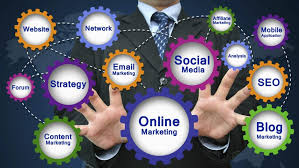
Search engine optimisation
Search engine optimisation (SEO) is the process of improving a website so that it is more likely to appear in relevant search results. This may involve creating useful content, making pages easier to navigate and improving how quickly a site loads.
Content marketing
Content marketing involves publishing helpful or interesting material, such as articles, guides, videos and podcasts. The aim is to give an audience something valuable, build trust and encourage people to learn more about a business.
Social media marketing
Social media marketing uses platforms such as Instagram, LinkedIn, Facebook and TikTok to share content and engage with audiences. Businesses may use it to raise awareness, answer questions, promote offers or build a community around their brand.
Email marketing
Email marketing allows businesses to communicate directly with people who have chosen to receive their messages. Newsletters, product updates and special offers can help maintain customer relationships, provided that messages are relevant and sent in line with data protection and marketing rules.
Online advertising
Paid online advertising includes search adverts, social media adverts, display banners and sponsored content. Advertisers can often choose who sees an advert and set a budget for a campaign. Results should be monitored to understand whether the spend is achieving its purpose.
Why businesses use online marketing
Online marketing can help businesses reach people where they already spend time: online. It can increase brand awareness, bring visitors to a website, generate enquiries and support sales. Digital channels also provide useful performance data, such as clicks, visits and conversions, which can help businesses refine their approach.
However, success is not automatic. A campaign needs clear goals, a good understanding of its audience and content that offers genuine value. It is also important to use customer data responsibly and to make websites accessible and easy to use.
Creating an effective online marketing strategy
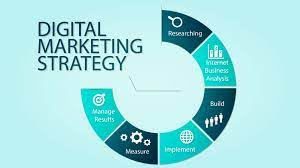
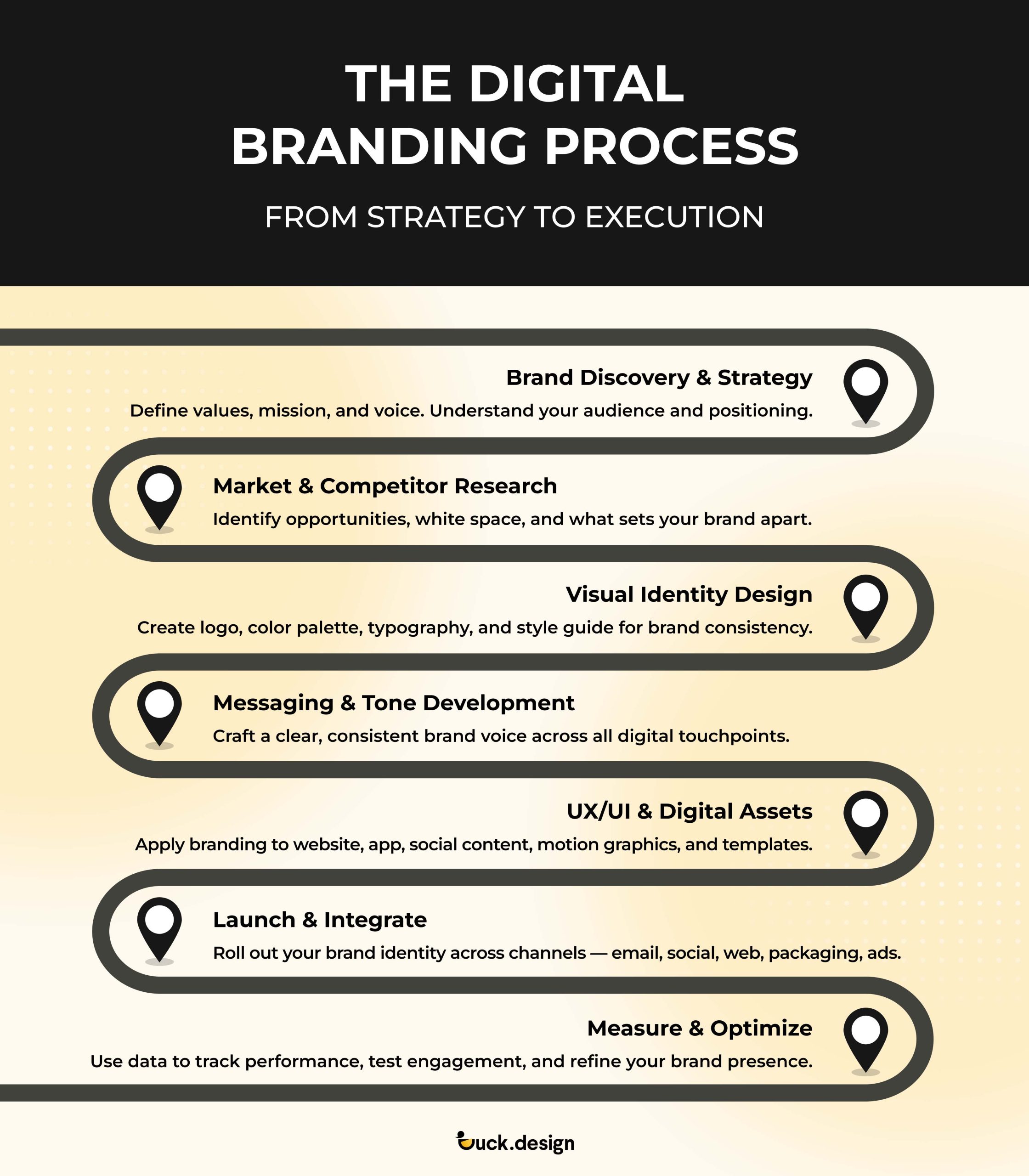
A practical strategy begins with defining what the business wants to achieve. The next steps are to identify the intended audience, choose suitable channels and plan consistent, useful content. Businesses can then measure relevant results and improve their activity over time.
Online marketing is not simply about being present on every platform. It is about choosing the right ways to connect with the right people, providing a positive experience and building lasting relationships. When planned carefully, it can become an important part of a business’s wider marketing strategy.
Essential FAQs on Online Marketing: A Guide for Businesses
- What is online marketing?
- How does online marketing work?
- What are the main types of online marketing?
- Why is online marketing important for businesses?
- How much does online marketing cost?
- How can a small business get started with online marketing?
- What is the difference between online marketing and digital marketing?
- How long does it take for online marketing to produce results?
- How can you measure the success of an online marketing campaign?
What is online marketing?
Online marketing is the promotion of a business, product or service using internet-based channels such as websites, search engines, social media, email and online adverts. It helps businesses reach and engage potential customers, build brand awareness and encourage actions such as making an enquiry or purchase. Campaigns can be measured and adjusted using data, making it easier to understand what is working and improve results over time.
How does online marketing work?
Online marketing works by using digital channels—such as search engines, websites, social media and email—to reach and engage potential customers. A business first identifies its audience and goals, then chooses suitable channels and creates relevant content or adverts. Performance is tracked using measures such as visits, enquiries and sales, allowing the business to refine its approach and improve results over time.
What are the main types of online marketing?
The main types of online marketing include search engine optimisation (SEO), which helps websites appear in relevant search results; content marketing, such as articles, videos and guides; social media marketing; email marketing; and paid online advertising, including search and social media adverts. Businesses may also use affiliate marketing and influencer partnerships. The best mix depends on the business’s goals, audience and budget.
Why is online marketing important for businesses?
Online marketing is important for businesses because it helps them reach potential customers where they spend much of their time: online. Through channels such as search engines, social media, email and websites, businesses can raise brand awareness, attract relevant visitors and encourage enquiries or sales. It also makes it easier to measure campaign performance and adjust activity in response to results. With a clear strategy and useful, trustworthy content, online marketing can help businesses build customer relationships and compete more effectively.
How much does online marketing cost?
The cost of online marketing varies depending on your goals, chosen channels, audience and the time or expertise required. Some activities, such as creating social media posts or improving website content, can be managed in-house, while paid advertising, SEO and professional support require a budget. Start by setting clear objectives and deciding what you can afford, then track results so you can focus spending on the activities that deliver the most value.
How can a small business get started with online marketing?
A small business can get started with online marketing by setting a clear goal, such as attracting local customers, increasing website visits or generating enquiries. Identify the intended audience, create a simple, mobile-friendly website and make sure key information—such as products, opening hours and contact details—is easy to find. Then choose one or two suitable channels, such as a local search listing, social media or email, and share useful, relevant content consistently. Track basic results, including enquiries, visits and sales, and use what you learn to improve. Start with a manageable budget, protect customers’ personal data and expand activity as the business grows.
What is the difference between online marketing and digital marketing?
Online marketing and digital marketing are often used interchangeably, but digital marketing is the broader term. Online marketing refers specifically to promotion carried out over the internet, such as through websites, search engines, social media and email. Digital marketing can also include digital channels that do not rely on an internet connection, such as SMS campaigns or digital billboards. In practice, many businesses use both terms to describe their internet-based marketing activity.
How long does it take for online marketing to produce results?
The time it takes for online marketing to produce results depends on the channels used, your goals, budget and level of competition. Paid advertising may generate traffic or enquiries soon after a campaign launches, while search engine optimisation and content marketing typically take several months to build momentum. Social media and email marketing can also take time as you develop an audience and learn what resonates with them. Set clear measures of success, review performance regularly and allow enough time to assess trends before making changes.
How can you measure the success of an online marketing campaign?
The success of an online marketing campaign is measured against the goals set at the outset. For example, track website visits and search rankings to assess awareness, click-through and engagement rates to evaluate interest, and enquiries, sales or sign-ups to measure conversions. Analytics tools can show where results are coming from, while cost per lead and return on investment (ROI) help establish whether the campaign is delivering value. Compare performance with your starting point and review results over time, allowing for the fact that some campaigns take longer to produce results than others.